Online home valuation tools often advertise impressive accuracy rates. And in some markets, those numbers hold up reasonably well.
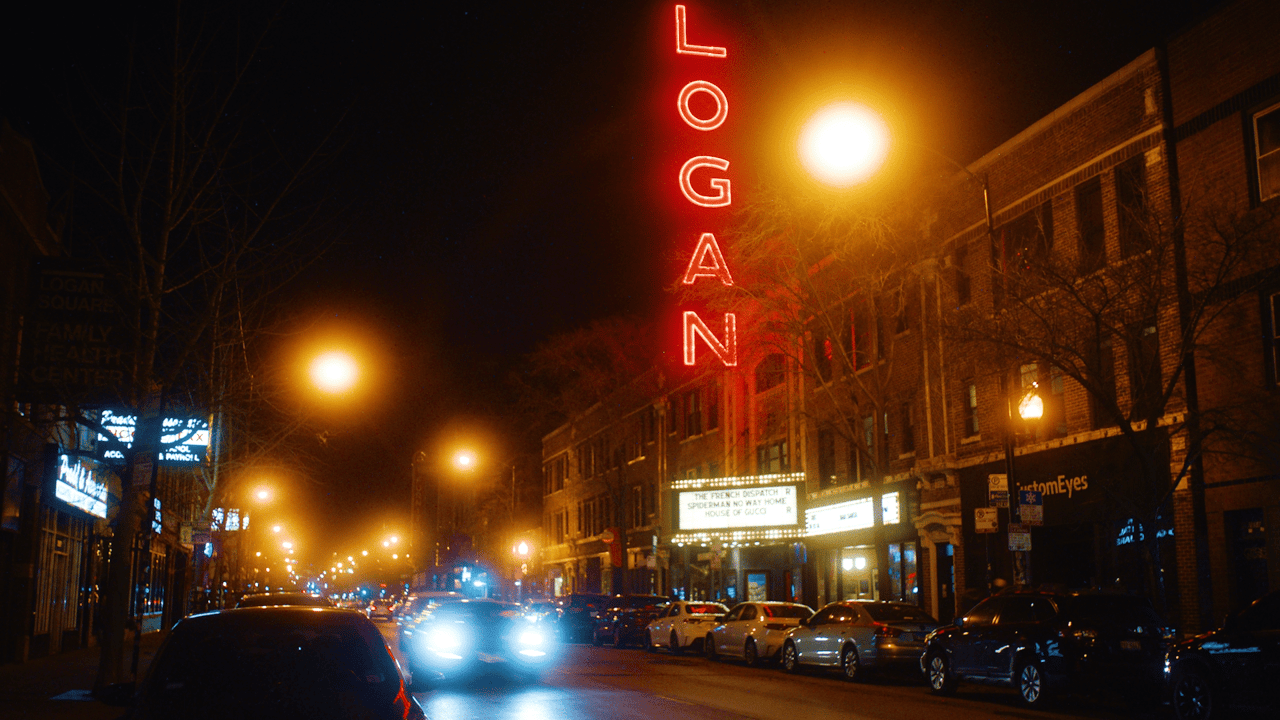
But Chicago is not one of those markets — especially in neighborhoods like Logan Square, Lincoln Park, Wicker Park, Bucktown, and Andersonville.
If your online home value feels confusing, inconsistent, or flat-out wrong, there’s a good reason for it. This post explains why automated home valuation tools struggle in Chicago, and what sellers should understand before relying on those numbers.
Chicago’s Housing Stock Is Not Algorithm-Friendly
Online valuation tools work best when homes are:
-
Similar in size and layout
-
Built around the same time
-
Updated in comparable ways
-
Located in uniform subdivisions
Chicago neighborhoods are the opposite of that.
On a single block in Logan Square or Wicker Park, you might see:
-
A vintage two-flat
-
A gut-rehabbed single-family home
-
A new-construction home
-
A long-time owner’s untouched property
To an algorithm, these homes may appear similar on paper. To buyers, they are completely different products — with very different price ceilings.
Renovation Quality Doesn’t Translate to Data
One of the biggest disconnects between online valuations and real-world pricing is renovation quality.
Algorithms can see:
-
Square footage
-
Bedroom and bathroom count
-
Year built
They cannot see:
-
Whether a renovation was cosmetic or structural
-
Layout efficiency
-
Ceiling height
-
Natural light
-
Material quality
In neighborhoods like Bucktown and Lincoln Park, two homes with identical specs can differ by hundreds of thousands of dollars based on execution alone. Online tools simply don’t have a way to measure that.
Condo Pricing Is Especially Difficult
Condos are among the hardest property types for valuation tools to price accurately — and Chicago has a lot of them.
In places like Lincoln Park and Andersonville, value can hinge on:
-
Floor level
-
Light exposure
-
Outdoor space
-
HOA financial health
-
Building reputation
Two units in the same building may sell months apart at very different prices due to market timing or condition. Algorithms often average these differences instead of understanding them.
Block-Level Differences Matter More Than You Think
Chicago pricing is highly micro-localized.
Buyers care deeply about:
-
Specific blocks
-
Proximity to transit, parks, or commercial corridors
-
School boundaries
-
Noise and traffic patterns
Online tools usually price at the neighborhood or ZIP-code level. That’s not granular enough in areas where crossing a single street can materially change buyer demand.
Mixed-Use and Zoning Complications
Chicago neighborhoods often include:
-
Mixed residential and commercial zoning
-
Two-flats with rental income
-
Non-standard layouts or lot sizes
These factors influence value significantly but are difficult for algorithms to interpret correctly. As a result, online estimates often lag behind — or miss — real market behavior.
Why Online Values Can Feel “Stuck”
Many sellers notice their online valuation barely moves, even after major improvements.
That’s because:
-
Renovations don’t always trigger public record updates
-
Algorithms wait for comparable sales, not upgrades
-
Pricing changes lag buyer behavior
By the time an online estimate adjusts, buyers may have already shown willingness to pay more — or less.
The Real Risk for Sellers
The biggest risk isn’t that online home values are imperfect.
It’s that sellers anchor emotionally to a number that wasn’t designed to price their home.
That can lead to:
-
Overpricing and missed momentum
-
Underpricing and lost equity
-
Confusion when buyer feedback doesn’t align with estimates
In Chicago, pricing accuracy isn’t about averages — it’s about context.
What Sellers Should Do Instead
Online home valuation tools are useful for orientation, not execution.
Sellers are better served by understanding:
-
How buyers are behaving right now
-
How homes with similar condition and presentation are performing
-
Where pricing risk exists in their specific neighborhood
That level of insight requires local analysis — not just national data.
Talk With Camille About Your Home’s Value
If you’re trying to make sense of your online home value — or wondering how it applies to your specific home — a localized pricing analysis can help bridge the gap between algorithms and reality.
You can start by submitting your property details here:
👉 https://ccg-chicago.com/home-valuation
Camille works with homeowners throughout Logan Square, Lincoln Park, Wicker Park, Bucktown, and Andersonville, helping sellers understand how their home compares in today’s market and how buyers are actually responding.
📧 Email: [email protected]
📞 Phone: 773.232.5282