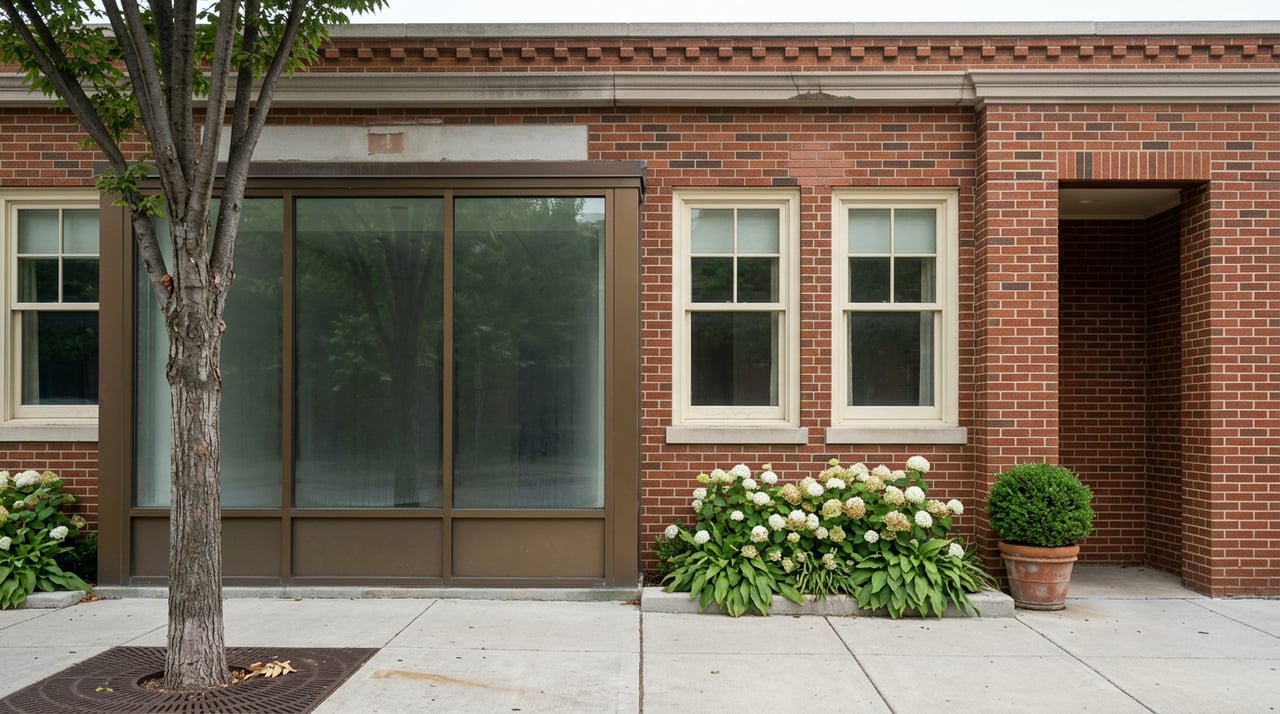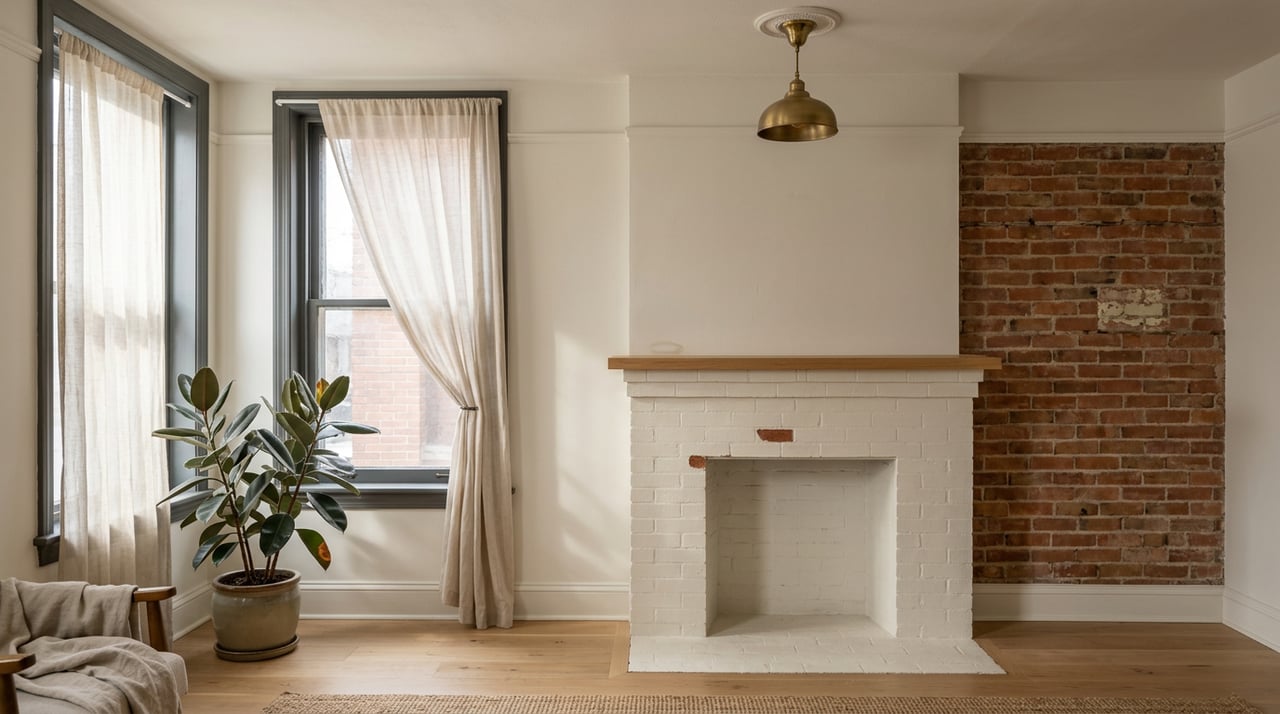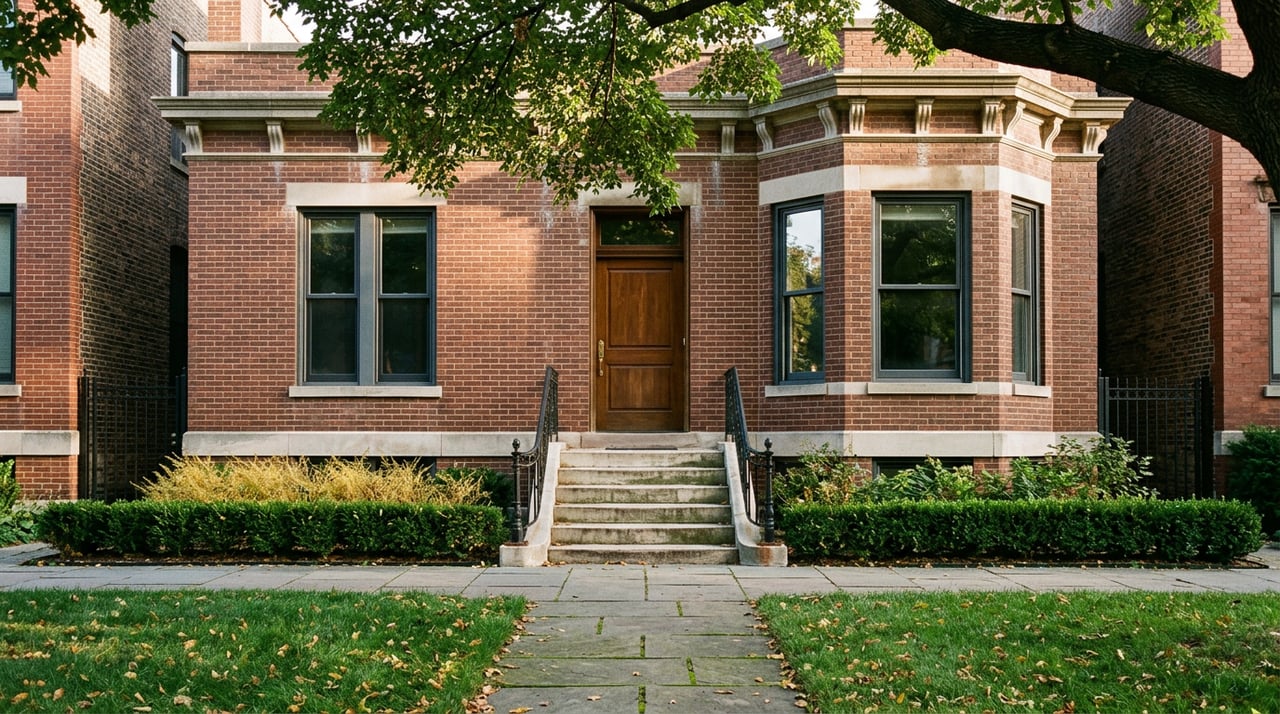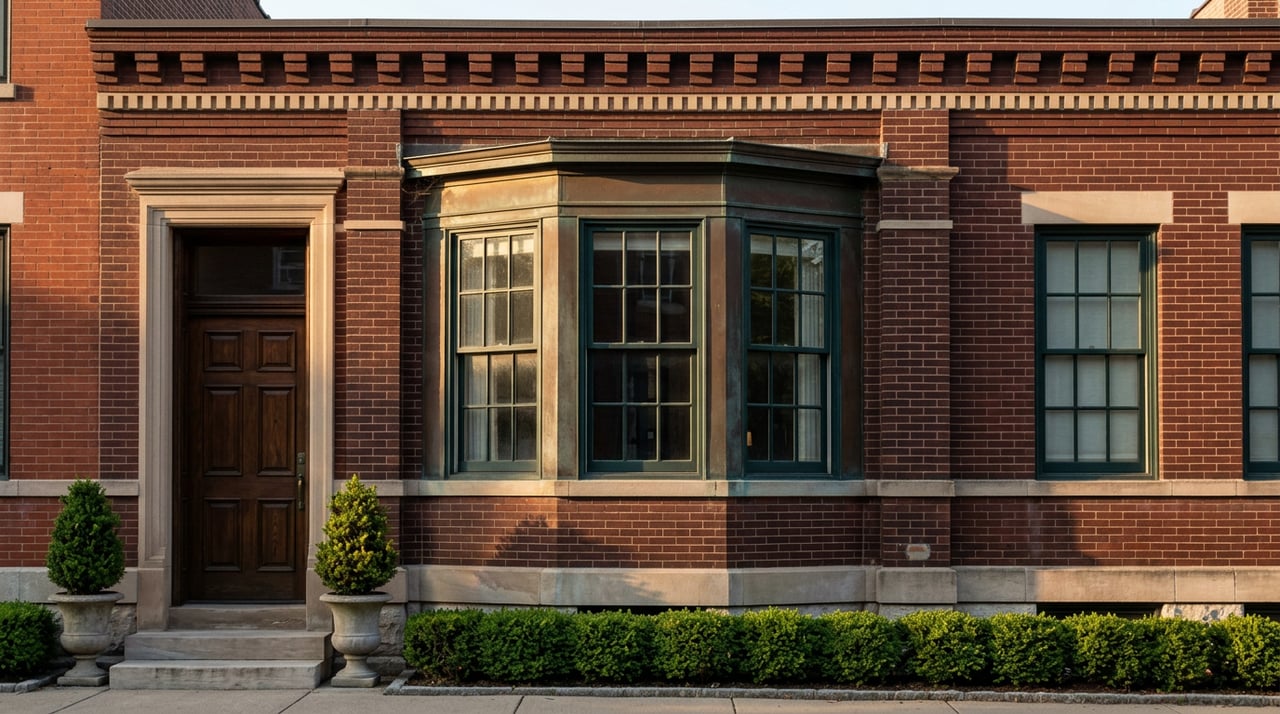
A buyer under contract on a Pierce Avenue Victorian recently asked her attorney a reasonable question: once the appraisal and inspection clear, what else stands between her and permission to swap out the porch railings before move-in. The answer surprised her. Before the City of Chicago's Historic Preservation Division ever sees her plans, a volunteer committee that meets once a month in a park fieldhouse gets a look first.
That sequence is the part most landmark-district explainers skip. They'll tell you Chicago has a Commission on Chicago Landmarks, that it issues something called a Certificate of Appropriateness, and that the process takes time. All true. What they don't tell you is that in Wicker Park specifically, the neighborhood has built its own layer of review on top of the city's, and it runs first. If you're closing on a home here, or thinking about listing one, that sequencing is the thing worth understanding before you sign anything.
Two Landmark Districts, One Neighborhood
The first surprise is that "Wicker Park is a landmark district" isn't quite right. It's two.
The Wicker Park Landmark District covers the residential blocks around the park itself, generally bounded by the Milwaukee Avenue/O'Hare elevated line, Caton Street, and Bell Avenue and Leavitt Street to the west. This is where Pierce and Hoyne feature some of the largest and most architecturally significant Victorian-era homes in the city, a legacy of the German and Scandinavian brewery owners who built there in such numbers that Hoyne earned the nickname "Beer Baron Row." The district was listed on the National Register of Historic Places in 1979 and designated a Chicago Landmark District in 1991.
The Milwaukee Avenue Landmark District is a separate designation covering the commercial corridor. The Wicker Park Committee, the neighborhood association that predates most of the city's current preservation apparatus, treats these as two distinct areas requiring separate review, even though they sit inside what everyone colloquially calls Wicker Park.
Why this matters for a buyer: the house you're touring might sit inside one district, both, or neither, depending on which block you're on. That's not a detail you can eyeball from the street. A Victorian on Pierce is almost certainly a contributing structure in the residential district. A storefront building a few blocks over on Milwaukee falls under a different set of eyes entirely.
The Meeting At The Fieldhouse Comes Before The City's
Here's the part that catches people off guard. The Wicker Park Committee runs a Preservation and Development Committee that reviews construction proposals within both districts, evaluating projects for historical integrity as well as development quality, before those projects ever reach the city's formal Landmarks process. The committee meets the third Tuesday of every month at the Wicker Park Fieldhouse, 1425 North Damen Avenue, at 7pm.
This isn't an advisory suggestion box. It functions, in practice, like a neighborhood zoning committee, and its input shapes what actually gets submitted downtown. If your renovation plans miss the third Tuesday, you're not just waiting on the city. You're waiting a full month before the neighborhood conversation even starts, and that conversation typically has to happen before the city portion begins in earnest.
Compare that to what most buyers assume: they picture a single city office reviewing a single application on a single timeline. In Wicker Park, there are effectively two clocks running, one set by a monthly community meeting and one set by the Historic Preservation Division downtown. Missing the first one costs you a full cycle you can't get back by paying more or moving faster.
What The City Adds On Top
Once a project clears the neighborhood conversation, it still has to go through the Commission on Chicago Landmarks' own review. Any exterior work, and in some cases designated interior features, requires both a Certificate of Appropriateness and a standard building permit from the Department of Buildings. These aren't sequential rubber stamps. The Certificate of Appropriateness has to be granted before the building permit can move forward.
For straightforward projects, staff at the Historic Preservation Division can often approve applications administratively, without a public hearing, typically within a matter of weeks. Anything more involved, new infill construction, additions, demolitions, or projects that raise real preservation questions, gets referred to the full Commission for a public hearing, which adds months rather than weeks to the timeline. Chicago now has roughly 66 designated Landmark Districts and more than 365 individually designated landmarks citywide as of 2026, so Wicker Park's process isn't a special case invented for one neighborhood. It's part of a system with real scale behind it, run by the same nine-member commission structure that reviews every district in the city.
The practical upshot: a buyer planning to replace windows on a Hoyne Street facade should budget for a staff-level review measured in weeks. A buyer planning an addition or anything visible from the public way that changes the building's footprint should budget for a Commission hearing measured in months, on top of whatever the neighborhood committee's own monthly cycle adds first.
The Upside That Rarely Gets Mentioned In The Same Breath
Every conversation about landmark status tends to stop at the friction. What gets left out is that the same designation that slows your permit down is also what makes you eligible for one of the only property tax incentives available to Illinois homeowners for private residences.
The state's Property Tax Assessment Freeze Program, administered through the Illinois Historic Preservation Office and applied locally by the Cook County Assessor, freezes the assessed value of a qualifying historic residence for eight years at the level it was the year rehabilitation began, then steps the value back up to market level over four more years, a twelve-year window in total. To qualify, the rehabilitation has to meet the Secretary of the Interior's Standards, the home has to be the owner's principal residence, and the eligible expenses have to exceed 25 percent of the assessor's fair cash value, not the assessed value, which in Cook County typically runs at roughly 10 percent of fair cash value. That distinction trips people up constantly. A homeowner budgeting against their assessed value instead of the much higher fair cash value will underestimate the spending threshold by a wide margin.
Chicago's preservation ordinance remains on the state's approved list as of June 2026, which means contributing properties in both Wicker Park districts are eligible, provided the work clears that 25 percent threshold within a 24-month window. For a seller weighing whether to update a contributing property before listing, this is worth raising early. Compass Concierge, which fronts renovation costs ahead of a sale, can be paired with Standards-compliant work planned around this same freeze, since the two processes, permit compliance and tax incentive eligibility, run on parallel tracks and benefit from being scoped together rather than as an afterthought.
How To Sequence This Before You're Under Contract
For anyone seriously considering a home in either district, a few questions are worth answering before an offer goes in, not after:
- Confirm which district, or districts, the property actually sits in. Contributing status and non-contributing status carry different review requirements.
- Ask the seller for any past Certificates of Appropriateness or permits related to prior exterior work. Unapproved work can follow a property and become the buyer's problem to resolve.
- If renovation is part of the plan, find out where the next Preservation and Development Committee meeting falls on the calendar. That date, not the closing date, is often the real start of your renovation timeline.
- If the project's scope might clear 25 percent of fair cash value, loop in the Illinois SHPO early. Their review differs from the local landmarks review and runs on its own schedule.
None of this is legal or tax advice, and every property's situation is different enough that the specifics deserve a conversation with the relevant city, county, and state offices directly. But knowing the sequence exists, and that it starts at a fieldhouse before it starts downtown, changes how you plan a purchase in this part of the city.
FAQ
Does interior work in a Wicker Park landmark district require review? Generally no, unless the interior work changes what's visible from the public way or affects a feature specifically designated as part of the landmark, in which case it falls under review the same as exterior work.
What if my building is classified as non-contributing? Non-contributing structures, typically later infill or heavily altered buildings, are still located within the district boundary but are reviewed differently than contributing buildings. Confirming a property's classification is a separate step from confirming which district it sits in.
Can I still make routine repairs without going through the full process? Staff-level administrative approval covers most routine repair work when it's straightforward. It's the larger changes, additions, and anything reaching a public hearing that add real time to a project.
If you're weighing a purchase, a sale, or a renovation inside either of Wicker Park's landmark districts, the sequencing above is exactly the kind of detail worth walking through before you write an offer or list a home. Camille Canales Group works this neighborhood block by block and can help you map out what your specific property actually requires, from the fieldhouse to City Hall to the assessor's office. Reach out for a consultation before your timeline gets set for you.