Native Plants in Chicagoland · Part 4 of 7
Once you've decided to go native, skipped the invasives and picked your planting season, the next question is where to actually get the plants. The big-box garden aisle is usually the wrong answer. The good news is that Chicagoland has one of the best networks of native plant growers, sellers and volunteer-run plant sales in the country.
This guide covers native-only nurseries, garden centers with real native sections, mail-order growers, the spring plant-sale circuit, and a few ways to get plants and advice for free.
Quick takeaways
- For the best plants, buy from native-only growers that use local seed sources ("local ecotype").
- Spring plant sales run from late April through June, and many require preorders in March, April or May.
- Mail-order growers fill the gaps, especially for seed.
- At any garden center, check the botanical name, ask where it was grown, and favor straight species.
- Local Wild Ones chapters and Conservation@Home offer free advice, plant swaps and sale discounts.
What makes a good native plant source
Before the list, here's what to look for, whether you're at a specialist nursery or a big garden center:
- Botanical names on every tag. "Coneflower" could be anything. Echinacea pallida is a specific plant you can look up.
- Straight species over cultivars. A plant with a variety name in quotes, like Echinacea 'Double Scoop', is a cultivar. As covered in Part 1, some are fine and some are much less useful to wildlife.
- Local ecotype. The best growers raise plants from seed collected in our region. A purple coneflower grown from Illinois seed is better adapted to Chicago than one from a Texas wholesaler.
- No systemic insecticides. Ask whether plants were treated with neonicotinoids. These insecticides are taken up into the whole plant, including pollen and nectar, which defeats the point of a pollinator garden.
- Nursery-grown, never wild-dug. Reputable growers propagate their own stock. Digging plants from forest preserves or natural areas is illegal and damages the places these plants are meant to support.
Native-only nurseries
These businesses sell native plants exclusively, so everything on the table is fair game. Several operate mainly online with scheduled pickup rather than as walk-in stores, so check each site before you go.
Nursery | Where | How to buy | Good to know |
|---|---|---|---|
Avondale, Chicago | Online ordering with pickup or local delivery; in-person sale days in summer | Chicago-region natives only. Also designs and installs native gardens. | |
Edgewater, Chicago | Check website for ordering and pickup | Grows and sells native plants exclusively. | |
Chicago | Online only | A small city-based native grower. | |
Monee (south suburbs) | Retail hours (check website), online ordering | Family-owned grower of 300+ Upper Midwest species, from regional seed. The go-to for native trees and shrubs, and a major supplier to restoration crews. | |
Batavia (west suburbs) | Online, with shipping or local pickup | Native-only, several plant sizes. | |
Pizzo Native Plant Nursery | Leland (far west) | Mostly wholesale | You'll often meet their plugs at community plant sales rather than buying direct. |
Garden centers with native sections
Many neighborhood garden centers now carry natives alongside their regular stock. Quality varies a lot, so bring the checklist above.
A standout in the city is Christy Webber Farm & Garden on West Chicago Avenue, whose native section is stocked with local-ecotype, straight-species plants grown without neonicotinoids. Other Chicago and near-suburban garden centers with native selections include Farmer's Market Garden Center on Elston, Chalet on Clybourn and in Wilmette, City Escape on West Lake Street, Good Earth Greenhouse in River Forest, The Growing Place in Naperville and Aurora, and Wasco Nursery in St. Charles.
At general garden centers, natives are sometimes mixed in with everything else rather than grouped in their own section, and labels like "pollinator-friendly" don't mean a plant is native. Read the tag, and ask staff where the plants were grown.
Mail-order growers
For seed, bare-root plants and hard-to-find species, a few upper Midwest growers are reliable and ship to Chicago:
- Prairie Moon Nursery (Winona, Minnesota): the largest selection of native seed and bare-root plants in the region, all straight species, with germination instructions for every packet. Their catalog doubles as a reference book.
- Prairie Nursery (Westfield, Wisconsin): potted plants and pre-planned garden kits, shipped in spring and early fall. Seed ships year-round.
- Agrecol (Evansville, Wisconsin) and Ion Exchange (Harpers Ferry, Iowa): additional sources for seed and plants.
Mail order is ideal for the dormant seeding and winter sowing covered in Part 3. Order seed in fall or early winter and you'll have it in hand for sowing between November and March.
The spring plant-sale circuit
Community plant sales are often the best value in the region: good prices, local-ecotype plants, knowledgeable volunteers, and proceeds that support conservation groups. Most happen between late April and June. Many now run as online preorders with a scheduled pickup day, and popular species sell out, so mark your calendar early.
A few of the larger and more convenient sales for city residents:
- The Morton Arboretum Arbor Day Plant Sale (Lisle, late April): one of the largest plant sales in the region, with a dedicated category for straight-species plants native to the Chicago region. Ticketed, timed entry.
- West Cook Wild Ones Native Plant Sale (preorder in spring, pickup in early June in Maywood or Lemont): a big selection of perennials, plus a separate fall tree and shrub sale.
- Chicago Bird Alliance Native Plant Sale (online preorder, pickup at North Park Village Nature Center in late spring): local-ecotype plants chosen with birds in mind.
- Neighborhood sales inside the city, such as the Southport Neighbors Association sale in Lakeview and the long-running plant sale at Kilbourn Park.
- Forest preserve and park district sales in DuPage, Lake and Kane counties and in many suburbs.
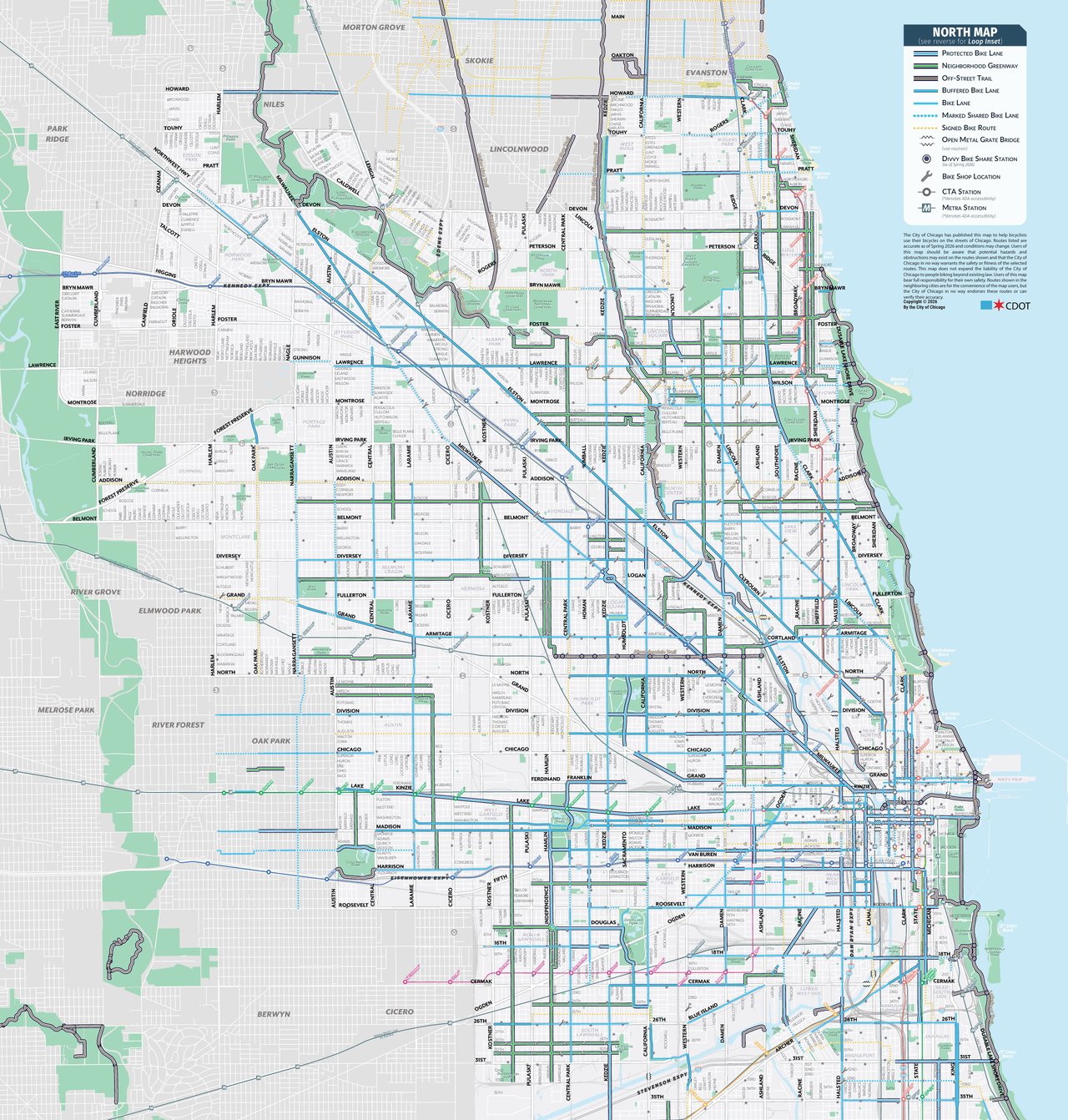
Dates change every year. The Chicago Bungalow Association publishes a comprehensive "Where to Buy Native Plants Around Chicago" list with a map each spring, and it's the best single place to find the current year's sales.
Free plants, free help
Wild Ones chapters
Wild Ones is a national native-gardening nonprofit with several chapters around Chicago. Members share divisions and seed, host garden tours and talks, and run plant sales, often with member discounts. It's the fastest way to meet people who already grow the plants you're interested in.
Conservation@Home
Created by The Conservation Foundation and run in Cook County with University of Illinois Extension, Conservation@Home certifies yards that use native plants, conserve water, limit chemicals and remove invasives. Trained volunteers visit your yard, offer suggestions and award a yard sign once you meet the criteria. In Cook County there's a one-time $50 fee (waivers are available), which includes a newsletter and early notice and discounts for native plant sales. Other organizations run the program in surrounding counties.
Friends and neighbors
Many native perennials spread and need dividing every few years. If a neighbor has a thriving patch of something you like, ask. Most native gardeners are happy to share. Just make sure you know what you're getting, since an overgrown bed can hide a few weeds or invasives.
A quick buying timeline
When | What to do |
|---|---|
November – January | Order seed for dormant seeding and winter sowing. Browse catalogs and plan. |
February – April | Watch for plant-sale announcements and place preorders. Order spring shipments from mail-order growers. |
Late April – June | Plant-sale season and peak nursery selection. |
Late August – October | Fall sales and end-of-season discounts. A good time for trees, shrubs and perennials. |
Native Plants in Chicagoland: the series
- Why Native Plants?
- What Not to Plant (and What to Pull)
- When and How to Plant Natives
- Where to Buy Native Plants in Chicagoland (you are here)
- Native Groundcovers and Lawn Alternatives — coming soon
- Native Plants for Boulevards and Parkways — coming soon
- Native Vines, Containers and Small Spaces — coming soon
Sources
- Chicago Bungalow Association, Where to Buy Native Plants Around Chicago, 2026
- Wild Ones West Cook Chapter, Where to Get Native Plants
- Illinois Native Plant Society, Native Plant Nurseries
- Xerces Society, Native Plant Supplier Directory: Possibility Place Nursery
- The Morton Arboretum, Arbor Day Plant Sale
- University of Illinois Extension, Conservation@Home (Cook County)
Business details, hours and sale dates change. Check each organization's website before visiting. This list is informational and not an endorsement or paid placement.