Trying to decide where in Wicker Park you should live? The neighborhood is often mentioned alongside Bucktown and Logan Square, but within Wicker Park itself there are several distinct pockets with different lifestyles, housing types, and street dynamics. Some areas revolve around nightlife and retail, while others center on historic homes and quieter residential blocks.
In this guide, you’ll compare vibes, housing types, transit access, parks, and price signals across Wicker Park’s main micro-neighborhoods: the Six Corners commercial hub, the Wicker Park Historic District, the Division Street corridor, and North Wicker Park near Damen Avenue. By the end, you’ll have a clearer sense of which part of Wicker Park best matches your lifestyle.
How Wicker Park Is Laid Out
Wicker Park sits on Chicago’s Northwest Side and forms part of the larger Bucktown–Wicker Park community area. The neighborhood is typically bounded by Bloomingdale Avenue (The 606) on the north, Division Street on the south, Western Avenue on the west, and the Kennedy Expressway on the east.
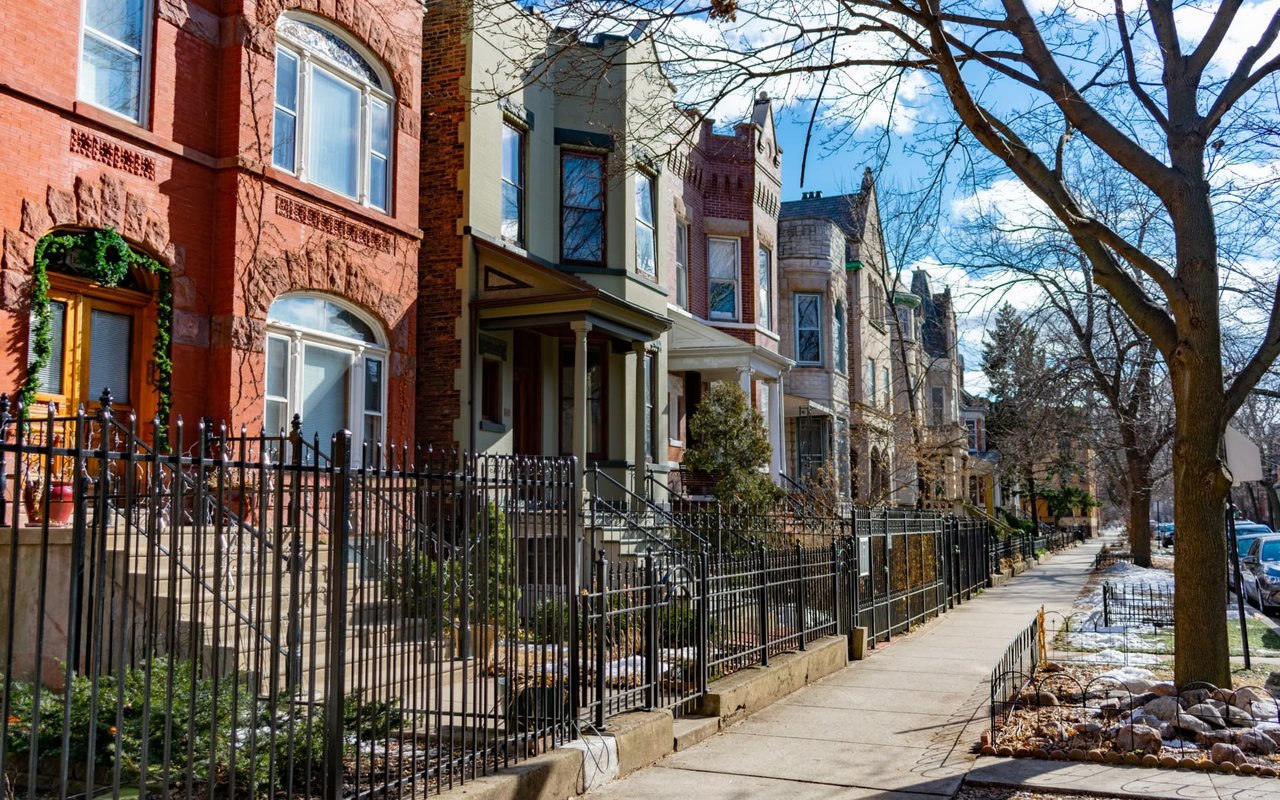
Wicker Park developed in the late 1800s as a residential enclave for Chicago’s industrialists and merchants. Many of the historic homes built during that era still line the neighborhood’s tree-filled streets today.
Several major streets shape activity in the neighborhood:
-
Milwaukee Avenue, a diagonal corridor filled with restaurants and shops
-
Damen Avenue, one of the area’s busiest retail streets
-
Division Street, known for nightlife and dining
Transit is a major draw. The CTA Blue Line Damen station sits at the center of the neighborhood, offering direct service to downtown Chicago and O’Hare International Airport.
Nearby neighborhoods include Bucktown, Logan Square, Ukrainian Village, Humboldt Park, and West Town.
Quick Quiz: Which Part of Wicker Park Fits Your Lifestyle?
Choose the statement that best fits your ideal neighborhood.
You want nightlife, restaurants, and transit right outside your door. → Six Corners
You love historic homes and quiet tree-lined streets near a neighborhood park. → Wicker Park Historic District
You want nightlife, bars, and restaurants along a busy entertainment corridor. → Division Street
You want walkability and amenities but slightly quieter residential blocks. → North Wicker Park
Six Corners: the heart of Wicker Park nightlife and shopping
Vibe
The intersection of Damen Avenue, North Avenue, and Milwaukee Avenue—often referred to as “Six Corners”—serves as the commercial center of Wicker Park. Restaurants, boutiques, music venues, and bars cluster around this intersection, creating one of the busiest pedestrian hubs on Chicago’s Northwest Side.
The area appeals to residents who prioritize walkability and easy access to nightlife and transit.
Housing
Housing near Six Corners includes:
-
Loft conversions
-
Condo buildings
-
Vintage walk-ups
-
Mixed-use buildings with retail on the ground floor
Many properties here emphasize location and walkability rather than large lot sizes.
Restaurants and amenities
Six Corners contains one of Chicago’s densest collections of restaurants, cafés, cocktail bars, and independent retail shops. The area attracts both neighborhood residents and visitors from across the city.
Parks and recreation
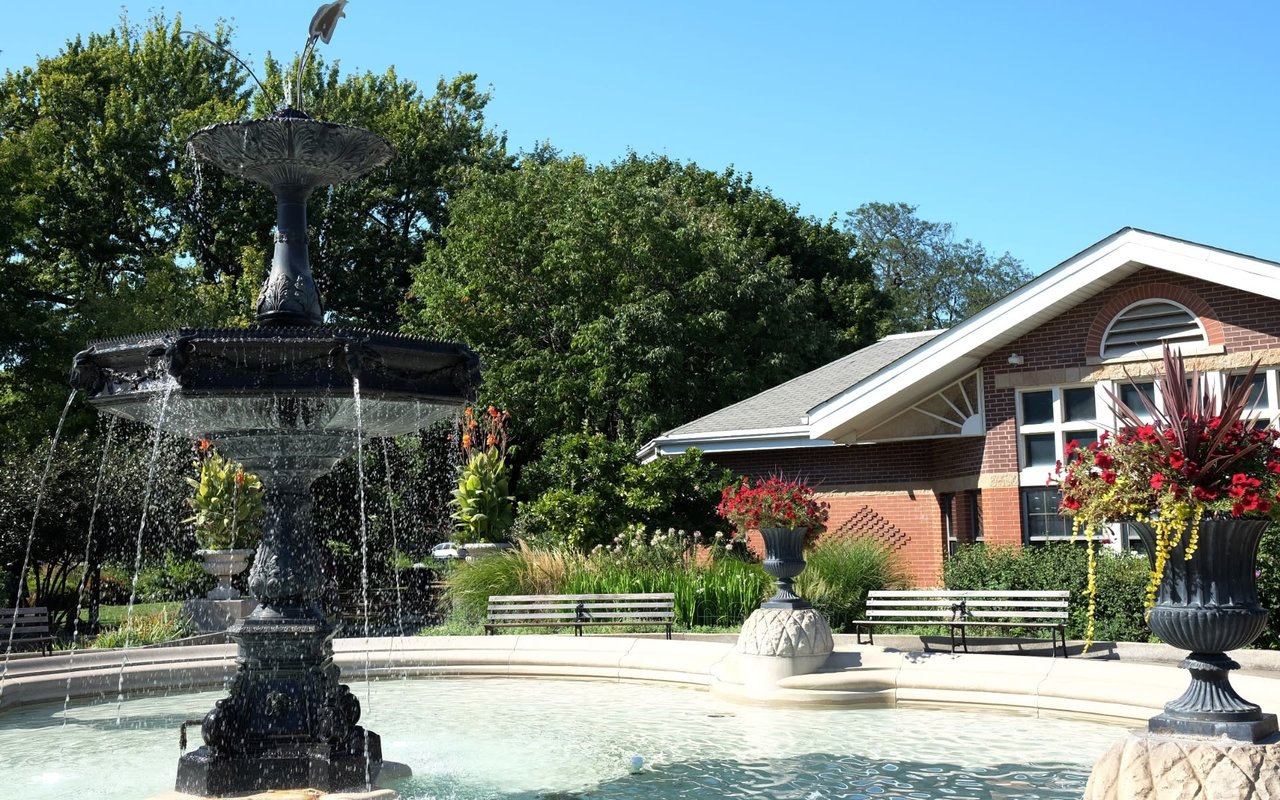
The neighborhood’s namesake Wicker Park sits just south of North Avenue and offers green space, tennis courts, and seasonal community events.
Transit
The CTA Damen Blue Line station sits directly at Six Corners, making this one of the most transit-accessible areas in the neighborhood.
Price signals
Condos near Six Corners often command premiums due to walkability and transit access.
Wicker Park Historic District: architecture and classic Chicago homes
Vibe
Centered around the park itself, the Wicker Park Historic District is known for its preserved 19th-century architecture and residential feel. Tree-lined streets and large historic homes give this pocket a quieter atmosphere than the nearby commercial corridors.
Many homes here date back to the late 1800s when Chicago’s industrialists built residences overlooking the park.
Housing
Housing types include:
-
Historic mansions
-
Greystones
-
Renovated single-family homes
-
Vintage condo buildings
Some of the most architecturally significant homes in the neighborhood sit along Hoyne, Pierce, and Evergreen.
Restaurants and amenities
While the historic district itself is residential, residents are only a short walk from the restaurants and shops along Damen and Milwaukee.
Parks and recreation
The Wicker Park green space anchors the district and includes sports courts, playgrounds, and community events throughout the year.
Transit
The Damen Blue Line station remains the primary transit option, along with CTA bus routes along North and Damen.
Price signals
Homes in the historic district often command higher prices due to architectural character, larger lots, and proximity to the park.
Division Street Corridor: nightlife and entertainment
Vibe
Division Street serves as one of Chicago’s most well-known nightlife corridors. Bars, music venues, and restaurants line the street, creating an energetic atmosphere particularly on weekends.
Residents here tend to prioritize access to entertainment and a lively street scene.
Housing
Housing along Division Street includes:
-
Condo conversions
-
Vintage apartment buildings
-
Mixed-use developments with retail below and residences above
Units here typically emphasize proximity to nightlife and restaurants.
Restaurants and amenities
Division Street features a wide range of restaurants, bars, and late-night dining options, making it a destination for residents and visitors alike.
Parks and recreation
Residents are a short walk from Wicker Park, and the Humboldt Park green space sits a short bike ride west.
Transit
Residents can reach the Damen Blue Line station via a short walk or bike ride.
Price signals
Condos along Division Street often attract buyers looking for urban walkability and nightlife access.
North Wicker Park: residential blocks near the 606
Vibe
North Wicker Park offers a quieter residential environment compared with the Six Corners and Division Street areas. The neighborhood transitions into Bucktown as you move north toward the 606 trail.
Many residents choose this area for its balance between walkability and residential calm.
Housing
Housing types include:
-
Renovated two-flats
-
Modern single-family homes
-
Condo buildings
-
Vintage brick cottages
Restaurants and amenities
Residents can easily reach both the Damen commercial corridor and the restaurants along Milwaukee Avenue.
Parks and recreation
The Bloomingdale Trail (The 606) sits just north of this area, providing walking and biking access across several Northwest Side neighborhoods.
Transit
Residents typically use the Damen Blue Line station, along with CTA bus routes.
Price signals
Homes here often offer slightly larger lot sizes compared with properties closer to Six Corners.
Wicker Park Market Snapshot
According to Compass market insights and recent Redfin sales data, Wicker Park remains one of the most sought-after neighborhoods on Chicago’s Northwest Side due to its proximity to downtown, strong transit access, and vibrant commercial corridors.
Recent market snapshots show:
-
Median home prices often ranging from the high $700k to over $1M depending on property type
-
Continued demand for renovated historic homes
-
Competitive pricing for condos near the Blue Line and major commercial streets
Pricing varies significantly depending on property type, proximity to transit, and whether the home sits within the historic district.
Wicker Park Micro-Neighborhood Comparison
| Area | Best For | Housing Types | Transit |
|---|---|---|---|
| Six Corners | Nightlife & walkability | Condos, lofts | Damen Blue Line |
| Historic District | Architecture & park access | Historic homes | Blue Line nearby |
| Division Corridor | Entertainment | Condos, apartments | Blue Line nearby |
| North Wicker Park | Quieter residential living | Houses, condos | Blue Line / bus |
What to Consider Before Buying in Wicker Park
Parking and permit zones
Many streets operate under Chicago’s residential permit parking system. Buyers should confirm the permit zone requirements for each address.
Property taxes
Property taxes vary depending on property type, renovation history, and reassessment cycles in Cook County.
Condo assessments
Wicker Park condo buildings range from vintage walk-ups to newer developments. Monthly assessments may include shared utilities and maintenance costs.
School boundaries
Chicago Public Schools assignments depend on the exact address. Buyers should verify enrollment boundaries with CPS directly.
Development trends
Wicker Park has experienced continued redevelopment over the past two decades, particularly along Milwaukee Avenue and near Blue Line stations.
Local Tips
Best for nightlife: Six Corners and Division Street.
Best for architecture: Wicker Park Historic District surrounding the park.
Best for quieter residential blocks: North Wicker Park.
Best transit access: Homes near the Damen Blue Line station.
Ready to Explore Wicker Park?
Wicker Park offers a mix of historic homes, modern condos, nightlife, and walkable retail streets. Touring a few different pockets of the neighborhood can quickly help determine which area best fits your lifestyle.
If you’re considering buying or selling in Wicker Park, Bucktown, Logan Square, Lincoln Park, or Andersonville, local expertise can help you compare neighborhoods and identify opportunities.
Reach out to Camille Canales for neighborhood guidance and current market insight.
📞 773.232.5282
✉️ [email protected]
FAQs
Is Wicker Park a good neighborhood to live in?
Wicker Park is widely known for its walkability, restaurant scene, and strong transit access. The neighborhood offers a mix of historic homes, modern condos, and vibrant nightlife.
Is Wicker Park expensive?
Wicker Park generally ranks among the more expensive neighborhoods on Chicago’s Northwest Side, particularly for historic homes and properties near the Blue Line.
What CTA lines serve Wicker Park?
The neighborhood is primarily served by the CTA Blue Line at the Damen station.
Is Wicker Park good for families?
While known for nightlife, many families live on the quieter residential blocks surrounding Wicker Park itself and in the northern part of the neighborhood.