Thinking about crossing Austin to trade your city walk-up for more space, trees, and a quick train ride downtown? If Oak Park is on your shortlist, you are not alone. It blends historic charm with strong transit and a real mix of housing types that can work for first-time buyers and move-up families. In this guide, you will get clear, practical answers on commute options, schools, prices, taxes, and how Oak Park stacks up to nearby Chicago neighborhoods so you can decide with confidence. Let’s dive in.
Oak Park at a glance
Oak Park sits immediately west of Chicago, about 9 miles from downtown, with a compact 4.7-square-mile footprint and village services that feel accessible and local. The community is known for tree-lined blocks, distinct historic districts, and a walkable downtown around Harlem and Lake. You will find a mix of single-family homes, two-flats, and condo buildings shaped by a rich architectural story that includes the Frank Lloyd Wright Home & Studio and the largest collection of Prairie School sites. To get oriented, review the village’s overview on the official About the Village page from the Village of Oak Park.
- Location and size details: see the village’s About the Village page on the Oak Park site.
- Transit overview: read Oak Park’s transportation hub page for a snapshot of Metra, CTA, Pace, parking, and bike options.
- Architecture highlights: explore the Frank Lloyd Wright Trust to understand the historic context that influences many neighborhoods.
Commute options to downtown
You have three dependable ways to reach the Loop or West Loop, plus local buses and bike routes that fill the gaps. For official maps and program details, start with Oak Park’s Transportation page.
Metra UP-West trains
The Union Pacific West line stops at Oak Park, with scheduled rides commonly around 16 to 20 minutes to Ogilvie during typical patterns, depending on the train. If your office is in or near the West Loop, Metra is often the fastest rail option. Do a door-to-door test to compare platform time, transfers, and walking versus the CTA. For background on the station and service patterns, check the Metra Oak Park Station overview.
Practical tip: plan for occasional freight-related delays on UP lines and review recent service updates. Local coverage has noted improvements to off-peak frequency, which helps if you keep nontraditional hours.
CTA Green Line
Oak Park has multiple Green Line stops, including Ridgeland, Oak Park, and the Harlem/Lake terminal tied into the village’s main downtown area. Trains run frequently in rush periods and keep regular headways most other times. Expect a longer ride to the Loop compared with Metra, but no separate commuter-rail fare and a one-seat ride to many central destinations makes it a solid everyday choice. See the CTA’s Ridgeland Station page for station-specific info.
Driving and parking
I‑290 is your primary artery into the city. Off-peak you can expect roughly 20 to 30 minutes to the Loop, with more time during rush periods. For daily downtown parking, compare the cost and predictability of driving against a Metra or CTA pass, and review Oak Park’s permit and public parking programs to plan your routine.
Buses, bikes, and local moves
Pace and CTA buses serve key Oak Park corridors, and the village invests in walkability and bike planning. For short hops within Oak Park or to neighboring River Forest and Forest Park, a quick bus ride or bike trip is common. Find route references and bike resources on the village transportation page.
Schools overview
Public K–8 schooling is provided by Oak Park Elementary District 97, which operates eight elementary schools and two middle schools. The district publishes Illinois Report Card updates and district-wide equity goals; review the latest state report card summary from District 97 for current metrics and context. Oak Park & River Forest High School (District 200) serves grades 9–12 with a broad catalog of AP and advanced coursework. OPRF regularly appears in statewide rankings from third-party publications, and many families value its program depth and extracurriculars. As always, confirm your specific address boundaries and visit schools in person to assess fit for your student.
- District 97 report card update: see the district’s 2024 state report card release for K–8 context.
- High school programs: explore OPRF’s academics and course offerings on the district’s official channels.
- Private and parochial options also exist in and around Oak Park. If schools are a top priority, tour programs and check the Illinois Report Card for each campus you are considering.
Housing types and price ranges
What you will see on the market
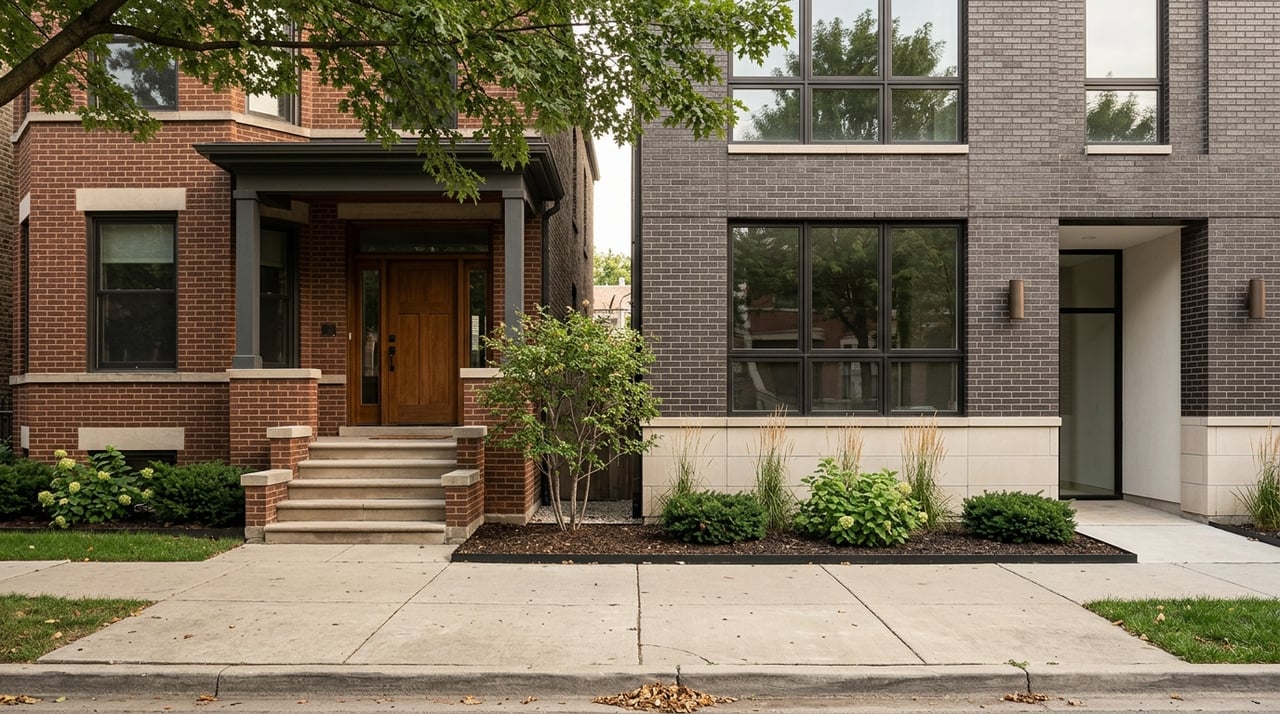
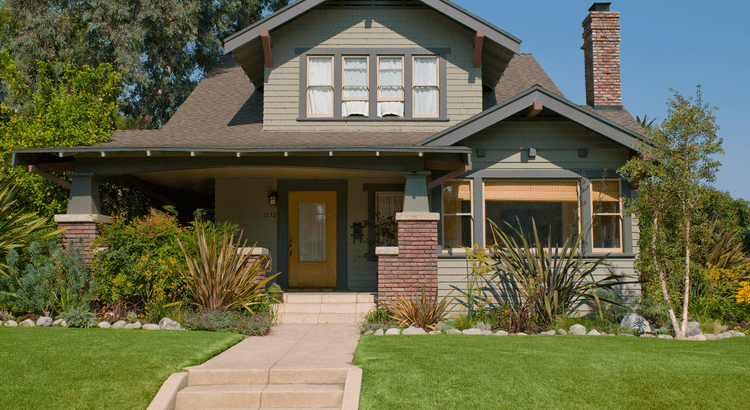
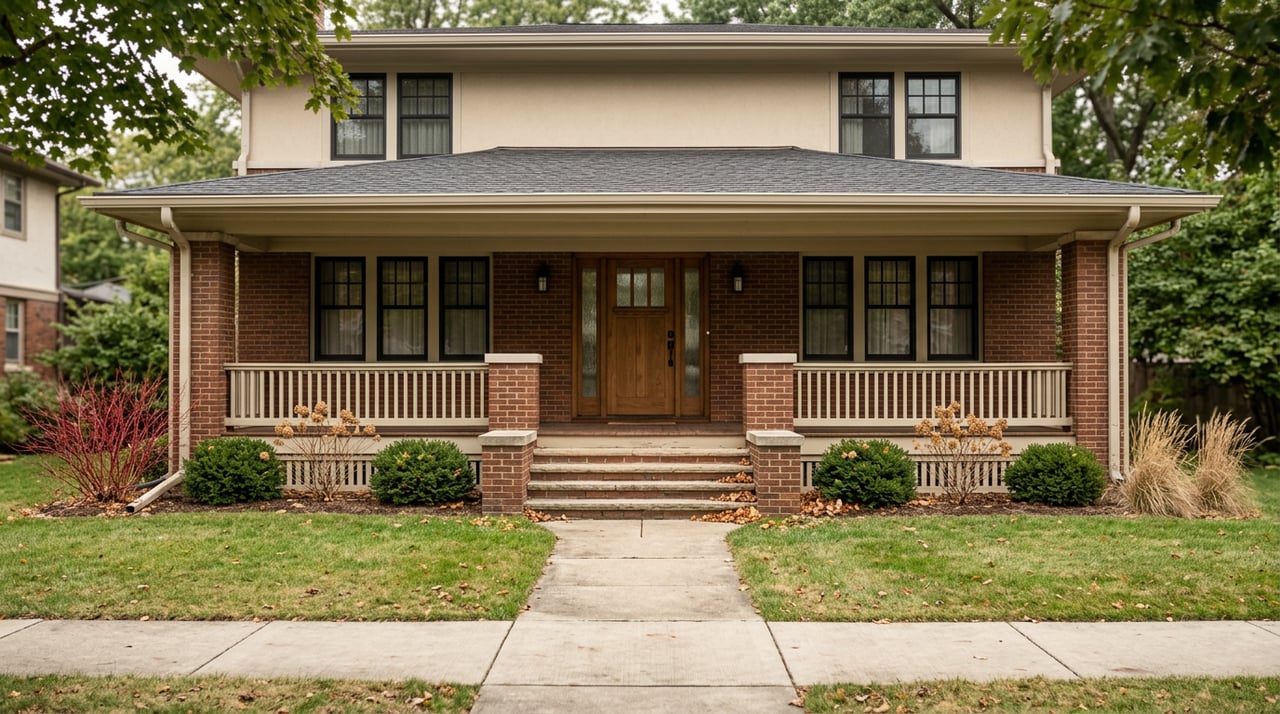
Oak Park’s architecture shapes what you will find when you tour. Expect historic bungalows and Prairie-style homes, early 20th-century two-flats and cottages, some mid-century houses, and condo conversions or newer low-rise flats closer to downtown corridors. Historic-district proximity often commands a premium, and renovated properties can reach the upper end of local ranges.
Price bands to plan your search
Market trackers use different methods, so it helps to view a range rather than a single number. As of January 2026, Redfin reports a median sold price around 380,000 for Oak Park, while Zillow’s typical home value index sits closer to 438,000. Month to month, you will see variation by block and property type.
Approximate buyer bands you can use for planning:
- Condos and smaller flats: often 150,000 to 350,000 depending on size, parking, and proximity to transit.
- Two-flats, townhomes, and older rehabs: roughly 250,000 to 600,000 with wide swings based on lot size and condition.
- Single-family homes: generally 350,000 to 900,000 plus, especially for larger historic homes near the Frank Lloyd Wright or Lake Street areas, or for extensively renovated properties.
Inventory has been relatively thin in recent years, so the best homes can move quickly. Build in time for pre-approval, walk-throughs the day a home lists, and a strategy for competitive offers.
Renting in Oak Park
Typical asking rents for 1–2 bedroom apartments often land in the low 2,000s, with higher demand near CTA and Metra stations and along downtown corridors. Condition and parking drive much of the spread. If you are relocating on a defined timeline, start your rental search early and confirm pet and parking policies up front.
Taxes and true monthly cost
Property taxes in context
Cook County property taxes have increased in recent years, and Oak Park residents typically face higher effective rates than the national median. Third-party summaries place Oak Park’s effective rate around 3.39 percent, with median annual bills in the low five figures, though this varies by property and exemptions. Reassessment cycles can create meaningful year-to-year changes for individual owners. You can review a recent local assessor release on second-installment bills to understand timing and trends, and countywide context from Axios for a high-level view.
- Effective rate reference: see Ownwell’s Oak Park overview for rate and median bill context.
- Local billing update: read the Oak Park Township assessor press release on second-installment bills.
- Countywide context: see Axios coverage of recent Cook County property tax bills.
Quick sample tax math
Use these figures only as a planning tool. At a 3.39 percent effective rate:
- 350,000 home value: about 11,865 per year, or roughly 989 per month before exemptions.
- 500,000 home value: about 16,950 per year, or roughly 1,413 per month before exemptions.
- 750,000 home value: about 25,425 per year, or roughly 2,119 per month before exemptions.
Always verify the specific parcel’s bill and assessed value before you finalize your budget. Build in a buffer for reassessment changes and any shifts in local levies.
Insurance and utilities
Home insurance premiums in Illinois have trended upward in recent years, and older homes may have higher seasonal utility costs, especially for winter heating. When you model monthly payments, include a conservative estimate for insurance and add a line item for maintenance on older mechanicals.
Oak Park vs. nearby Chicago neighborhoods
Oak Park vs. Logan Square
If you are balancing budget, space, and commute, this is a common comparison. As of January 2026, Redfin reports Logan Square’s median sold price around 610,000, which is materially higher than recent Oak Park medians reported by Redfin and other trackers. Oak Park often gives you a larger single-family footprint and a yard at a lower entry price. On commute, Oak Park offers both the Metra UP‑West line and the Green Line; if you work near Ogilvie or in the West Loop, Metra is often the faster ride.
Nightlife, restaurants, and a dense city vibe are where Logan Square excels. If you prioritize a quieter residential feel, access to yards and parks, and a short train ride to downtown, Oak Park may fit better.
North Side comparators
Neighborhoods like Lincoln Square, Irving Park, and Portage Park can overlap your search, especially if you want to stay inside Chicago. Median values and housing types vary block by block on the North Side, and attached units or narrow-lot single-family homes are common. Oak Park typically offers a more suburban lot pattern and strong single-family inventory, plus a single comprehensive public high school in OPRF that many families research closely. If schools and yard space rank higher than nightlife or north-side proximity, Oak Park is worth a focused tour.
Smart next steps
- Test your commute. Do a weekday door-to-door run on both Metra and the Green Line at your typical time. Compare reliability, cost, and last-mile transfers.
- Review schools. Start with District 97’s state report card release and OPRF’s program info. Tour campuses and confirm boundaries before you buy.
- Model total cost. Use a conservative tax rate and include insurance, utilities, and a maintenance reserve. Reference Ownwell and the township assessor release for Oak Park-specific tax context.
- Define your housing band. Align the price ranges above with your wish list for space, condition, and location near transit. Be ready for low inventory and fast-moving listings.
- Walk the blocks. Historic districts and downtown corridors feel different from quieter residential streets. Visit at different times of day to gauge your fit.
When you are ready to explore Oak Park homes, lean on a team that knows both the city and the inner-ring suburbs. Reach out to Camille Canales to map your search, pressure-test the commute, and spot value by block.
FAQs
How long is the Oak Park to downtown commute?
- On Metra’s UP‑West line, scheduled rides to Ogilvie are commonly around 16 to 20 minutes, while the CTA Green Line is a longer ride but runs frequently. Always time a door-to-door test during your typical commute window.
What should I budget for Oak Park property taxes?
- Third-party summaries list an effective rate near 3.39 percent; for planning, a 500,000 home would be about 16,950 per year before exemptions. Verify the parcel’s assessed value and recent bills and plan for reassessment changes.
What are typical Oak Park home prices?
- As of January 2026, Redfin shows a median sold price around 380,000 and Zillow’s typical value index is about 438,000. Actual prices vary by property type, condition, and proximity to historic districts and transit.
How do Oak Park schools work?
- District 97 serves K–8 with eight elementary schools and two middle schools, and OPRF High School serves grades 9–12. Review the district’s report card materials and tour schools to assess programs and fit.
What can I get for 500,000 in Oak Park?
- Depending on condition and location, you could find a move-in-ready condo or townhome, a smaller single-family home, or an older home that needs updates. Inventory is tight, so exact options vary month to month.
Is Oak Park walkable?
- The downtown area around Harlem and Lake offers strong walkability with shops, dining, and transit access. Many residential blocks are tree-lined and close to parks, schools, or CTA and Metra stops; walkability varies by address.