Trying to decide where in Logan Square you should live? While the neighborhood is often discussed as a single destination on Chicago’s Northwest Side, locals know that Logan Square includes several distinct pockets, each with its own rhythm, housing mix, and lifestyle. Some areas revolve around nightlife and restaurants, while others center on historic boulevards, parks, and quieter residential streets.
In this guide, you’ll compare vibes, housing types, transit access, parks, and price signals across Logan Square’s main micro-neighborhoods: the Boulevard District, the Milwaukee Avenue Corridor, Palmer Square and West Logan, and the California Corridor. By the end, you’ll have a clearer idea of which part of Logan Square fits your lifestyle and housing goals.
How Logan Square Is Laid Out
Logan Square is a historic Chicago community area on the Northwest Side with roughly 73,000 residents according to the 2020 Census. The neighborhood is generally defined by Bloomingdale Avenue on the south, Diversey on the north, the Kennedy Expressway on the east, and Pulaski Road on the west.
The area is structured around Chicago’s historic boulevard system, including Logan Boulevard and Kedzie Boulevard, which converge at the Logan Square monument circle. Milwaukee Avenue cuts diagonally through the neighborhood and acts as the main commercial corridor.
Transit plays a major role in the neighborhood’s daily rhythm. The CTA Blue Line runs through Logan Square with stops at Western, California, and Logan Square, providing direct service to downtown Chicago and O’Hare International Airport.
Major nearby neighborhoods include Bucktown, Wicker Park, Avondale, Humboldt Park, and Hermosa.
Quick Quiz: Which Part of Logan Square Fits Your Lifestyle?
Pick the statement that best describes what you want from a neighborhood.
You love historic architecture, wide boulevards, and classic Chicago greystones. → Boulevard District
You want restaurants, nightlife, cafés, and the Blue Line steps away. → Milwaukee Avenue Corridor
You prefer quieter residential blocks near parks and community spaces. → Palmer Square / West Logan
You want walkability and transit access with a slightly calmer vibe than the main strip. → California Corridor
The Boulevard District: historic homes and Chicago’s boulevard system
Vibe
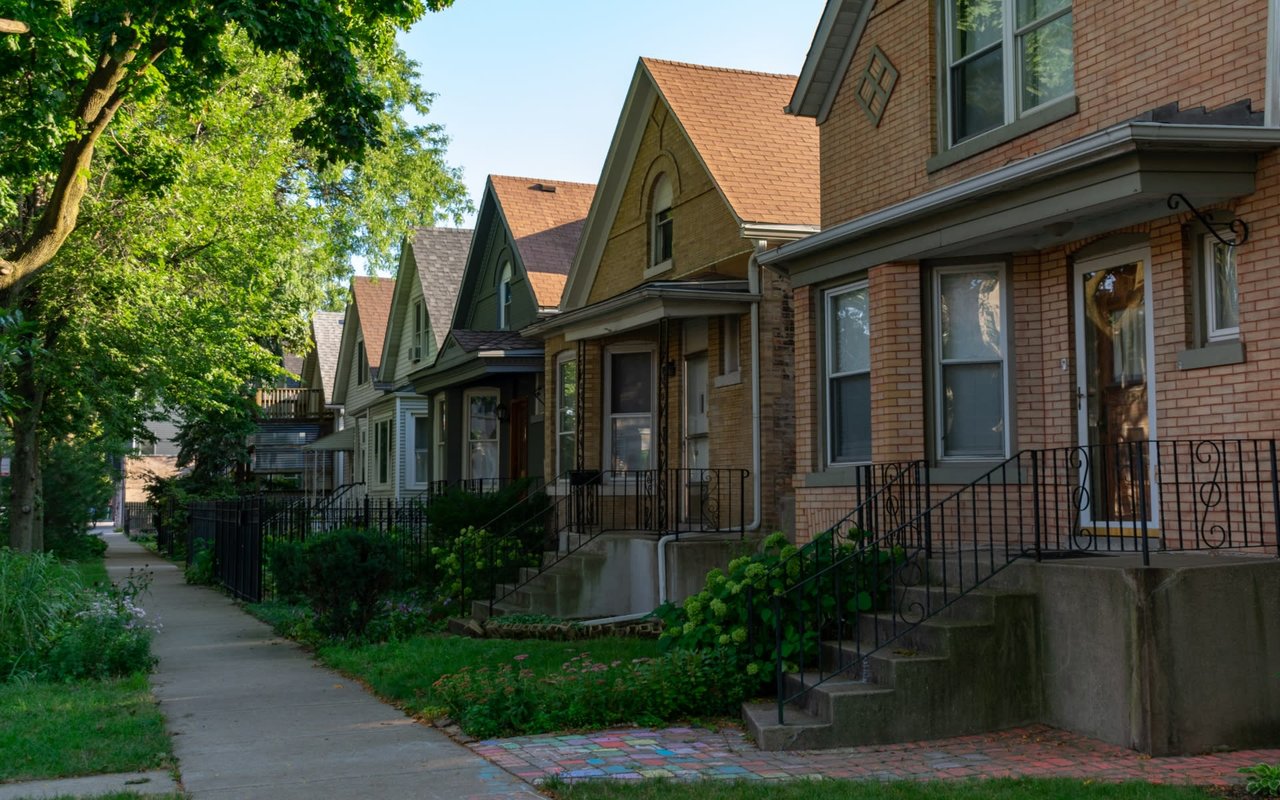
The Boulevard District centers around Logan Boulevard, Kedzie Boulevard, and Palmer Square, where Chicago’s historic boulevard system creates wide landscaped medians and tree-lined streets. This area feels more residential and architectural compared with the busier Milwaukee Avenue corridor.
Many of the homes here date back to the late 1800s and early 1900s, and the area is known for its preserved greystones, mansions, and classic Chicago two-flats.
Housing
Housing in the Boulevard District tends to include:
-
Historic greystones and brick row homes
-
Vintage courtyard condo buildings
-
Renovated two- and three-flats
-
Single-family homes on large lots
Some of the most architecturally significant homes in Logan Square are located along Logan Boulevard.
Restaurants and amenities
While quieter than Milwaukee Avenue, the Boulevard District sits within walking distance of many of Logan Square’s best restaurants and coffee shops along Milwaukee, Armitage, and Kedzie.
Parks and recreation
This area benefits from access to Palmer Square Park, a community favorite with walking paths, playgrounds, and open lawns. The nearby Bloomingdale Trail (The 606) is also a short bike ride away.
Transit
Residents are typically within walking distance of the Logan Square Blue Line station, which provides a direct commute downtown.
Price signals
Homes along Logan Boulevard and the surrounding historic district often command premiums due to architectural character and lot size. Renovated greystones and single-family homes frequently sell at the upper end of Logan Square’s price spectrum.
Milwaukee Avenue Corridor: restaurants, nightlife, and transit access
Vibe
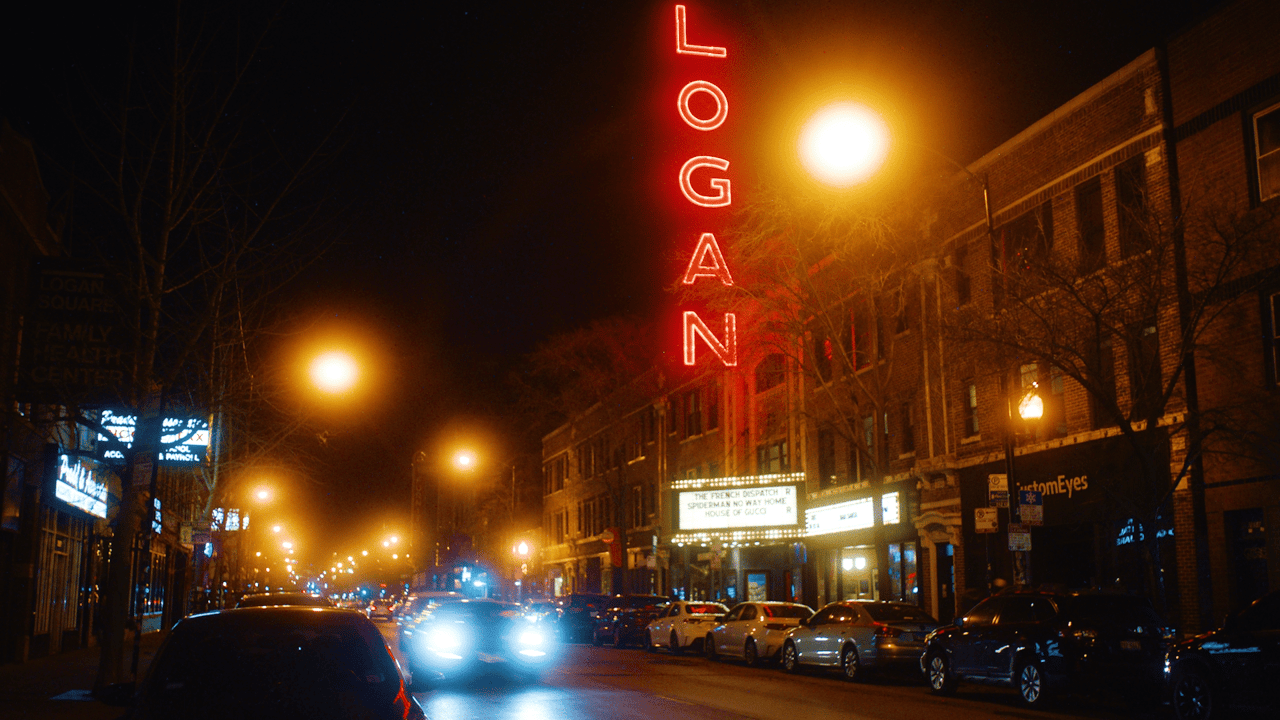
Milwaukee Avenue is the energetic heart of Logan Square. Restaurants, cocktail bars, cafés, music venues, and retail line the street, creating a lively atmosphere throughout the week.
This area attracts residents who want a highly walkable urban lifestyle with easy access to transit and nightlife.
Housing
Housing near Milwaukee Avenue includes:
-
Condo buildings and conversions
-
Vintage walk-ups
-
Newer mixed-use developments
-
Loft-style apartments
Units here often emphasize walkability and transit access rather than large lot sizes.
Restaurants and amenities
Logan Square has become one of Chicago’s most prominent restaurant destinations, with acclaimed restaurants, bakeries, and bars along Milwaukee Avenue and nearby streets.
The area is also home to farmers markets, independent boutiques, and music venues.
Parks and recreation
Residents can easily reach Logan Square Park, which surrounds the Illinois Centennial Monument. The park often hosts neighborhood events and farmers markets.
Transit
The Logan Square Blue Line station sits directly along Milwaukee Avenue, making this one of the most transit-accessible parts of the neighborhood.
Price signals
Condos near the Blue Line and Milwaukee Avenue often command higher prices than similar units farther west due to walkability and transit access.
Palmer Square and West Logan: quieter residential streets
Vibe
West of Kedzie, Logan Square transitions into a more residential environment. Streets are quieter, blocks are less dense, and the neighborhood takes on a more community-oriented feel.
This area often attracts residents looking for slightly larger homes and quieter surroundings while remaining close to Logan Square’s commercial areas.
Housing
Common housing types include:
-
Two-flats and three-flats
-
Single-family homes
-
Vintage courtyard buildings
-
Newer residential developments
Lots are often slightly larger than those closer to Milwaukee Avenue.
Parks and recreation
The area centers around Palmer Square Park, a large green space with playgrounds, walking paths, and seasonal events.
Transit
Residents typically rely on the California or Logan Square Blue Line stations, along with several CTA bus routes.
Price signals
Homes in West Logan may offer more square footage or lot size compared with properties closer to the Milwaukee corridor.
The California Corridor: walkable and transit-oriented
Vibe
The area around California Avenue and Milwaukee Avenue blends residential streets with easy access to transit, restaurants, and retail. It tends to be slightly calmer than the Logan Square monument area while remaining highly walkable.
Housing
Housing here includes:
-
Condo conversions
-
Vintage apartment buildings
-
Newer mid-rise developments
-
Renovated two-flats
Restaurants and amenities
The California corridor offers a growing mix of restaurants, breweries, and neighborhood cafés, many within walking distance of the Blue Line station.
Parks and recreation
Residents have easy access to both Palmer Square Park and Humboldt Park, one of Chicago’s largest green spaces.
Transit
The California Blue Line station provides quick access to downtown and O’Hare.
Price signals
Pricing here often sits between the Boulevard District and West Logan depending on building type and proximity to transit.
Logan Square Market Snapshot
According to Compass market insights and recent Redfin sales data, Logan Square continues to see steady demand due to its combination of historic housing, transit access, and vibrant restaurant scene.
Recent snapshots show:
-
Median home prices generally in the mid-$600k to $700k range
-
Strong demand for renovated greystones and single-family homes
-
Competitive pricing for condos near Blue Line stations
Always compare pricing data from the same time period and source, since methodologies differ between market trackers.
Logan Square Micro-Neighborhood Comparison
| Area | Best For | Housing Types | Transit |
|---|---|---|---|
| Boulevard District | Historic architecture | Greystones, single-family homes | Logan Square Blue Line |
| Milwaukee Corridor | Nightlife & restaurants | Condos, apartments | Logan Square Blue Line |
| Palmer Square / West Logan | Quiet residential blocks | Two-flats, houses | California / Logan Blue Line |
| California Corridor | Walkable urban living | Condos, mid-rise buildings | California Blue Line |
What to Consider Before Buying in Logan Square
Parking and permits
Many streets in Logan Square operate under Chicago residential permit parking zones. Always verify parking requirements for the specific block you are considering.
Property taxes
Property taxes vary widely depending on property type, renovation history, and reassessment cycles. Buyers should review recent Cook County tax assessments when evaluating affordability.
Condo assessments
Vintage condo buildings in Logan Square may include shared utilities such as heat or water in monthly assessments. Always review HOA budgets, reserve balances, and planned capital projects.
School boundaries
Chicago Public Schools assignments depend on your exact address. Always verify school boundaries directly with CPS before purchasing.
Development trends
Logan Square has seen significant new development over the past decade, particularly near Blue Line stations where transit-oriented development policies encourage denser housing.
Local Tips
Best streets for architecture: Logan Boulevard and Kedzie Boulevard feature some of the neighborhood’s most historic homes.
Best for nightlife and restaurants: Milwaukee Avenue near the Logan Square monument.
Best for quieter living: West Logan and streets near Palmer Square Park.
Best transit access: Homes within walking distance of the Logan Square or California Blue Line stations.
Ready to Explore Logan Square?
Each part of Logan Square offers a different mix of architecture, walkability, parks, and nightlife. Touring several blocks can quickly reveal which pocket fits your lifestyle best.
If you’re considering buying or selling in Logan Square, Bucktown, Wicker Park, Lincoln Park, or Andersonville, local expertise can help you compare neighborhoods and identify opportunities.
Reach out to Camille Canales for neighborhood guidance and current market insight.
📞 773.232.5282
✉️ [email protected]
FAQs
What are the best parts of Logan Square to live in?
Popular areas include the Boulevard District for historic homes, the Milwaukee Avenue corridor for restaurants and nightlife, and Palmer Square for quieter residential living.
Is Logan Square expensive compared to Bucktown or Wicker Park?
Logan Square generally offers slightly lower median home prices than Bucktown and Wicker Park, though renovated single-family homes and historic properties can reach similar price points.
What CTA lines serve Logan Square?
Logan Square is served primarily by the CTA Blue Line, with stations at Western, California, and Logan Square.
Is Logan Square good for families?
Many families choose areas around Palmer Square and the boulevard streets for their parks, residential feel, and larger housing options.