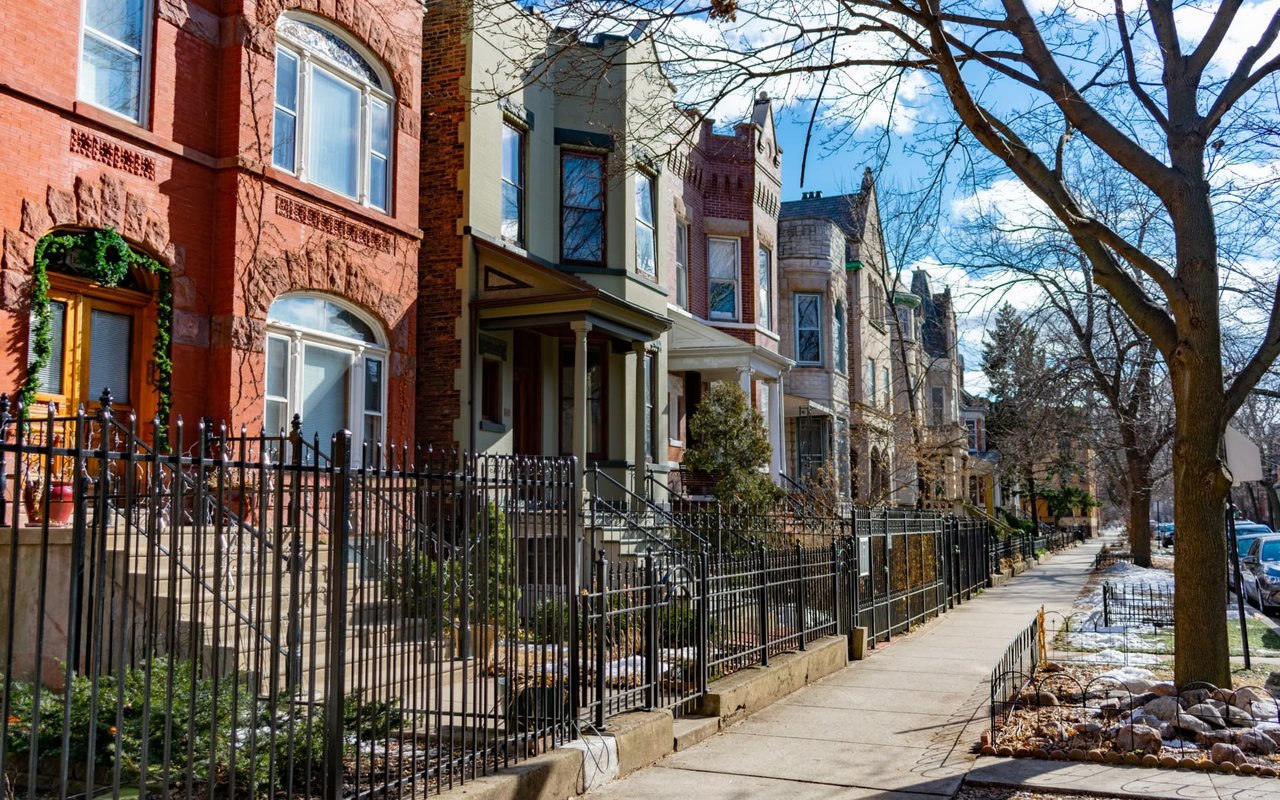
Trying to decide where in Andersonville you should live? While the neighborhood is often described as a single destination on Chicago’s North Side, locals know Andersonville contains several distinct pockets with different lifestyles, housing types, and street dynamics. Some areas revolve around the bustling Clark Street retail corridor, while others offer quieter residential blocks, historic homes, and easy access to the lakefront.
In this guide, you’ll compare vibes, housing types, transit access, parks, and price signals across Andersonville’s main micro-neighborhoods: the Clark Street District, the Edgewater Border near Foster Avenue, the Ravenswood Border near Ashland Avenue, and the Berwyn/Balmoral historic pocket. By the end, you’ll have a clearer sense of which part of Andersonville best fits your lifestyle.
How Andersonville Is Laid Out
Andersonville sits on Chicago’s North Side within the Edgewater community area, generally centered around Clark Street between roughly Foster Avenue and Bryn Mawr Avenue.
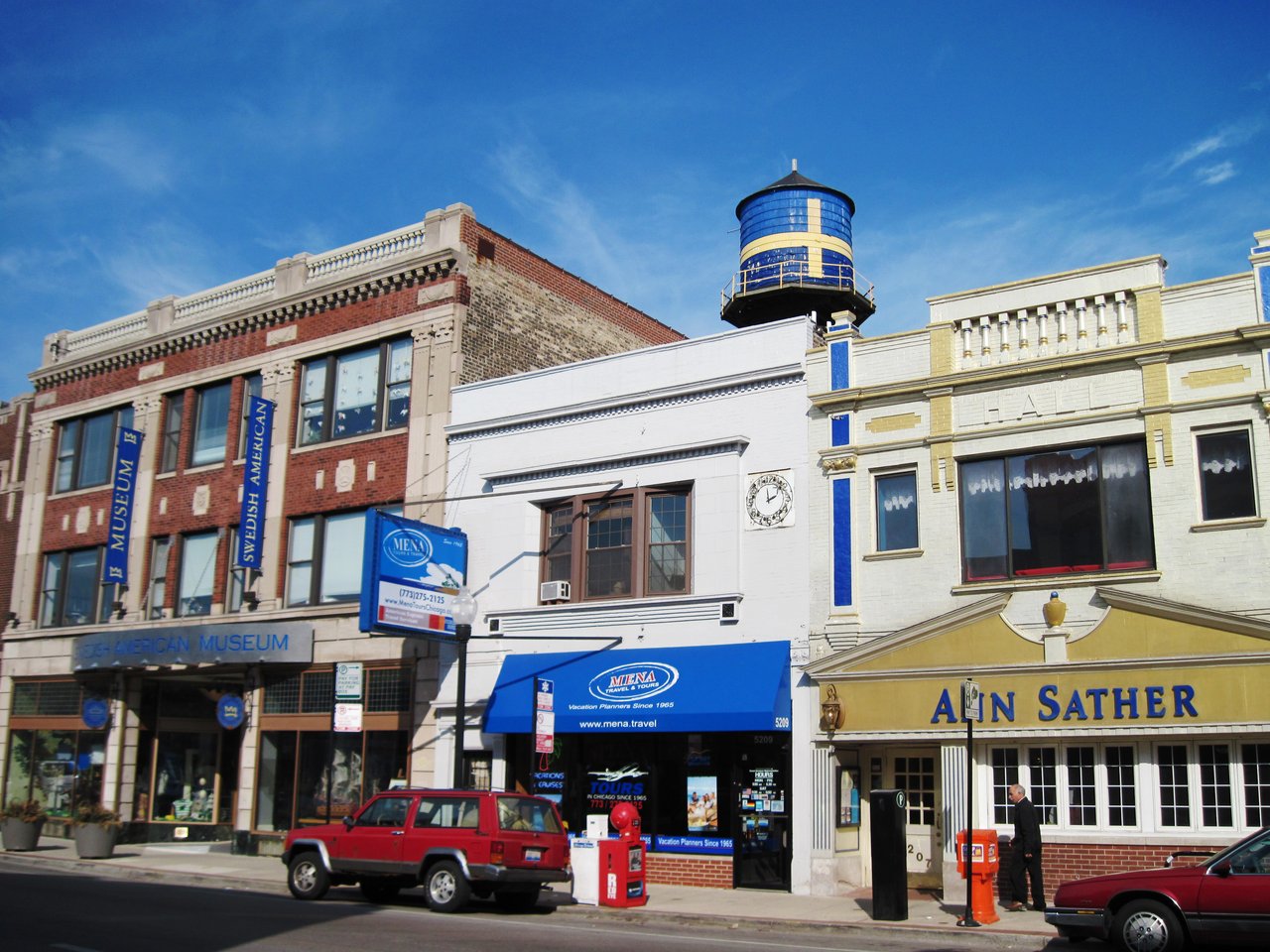
The neighborhood began as a Swedish immigrant community in the late 1800s. Many historic buildings and cultural institutions from that era remain today, including the Swedish American Museum and neighborhood landmarks along Clark Street.
Several streets shape the neighborhood’s daily rhythm:
-
Clark Street, Andersonville’s main retail and restaurant corridor
-
Foster Avenue, a major east–west connection
-
Ashland Avenue, linking Andersonville with Ravenswood and Lincoln Square
Transit access includes nearby CTA Red Line stations, the Metra Union Pacific North line in Ravenswood, and multiple bus routes.
Nearby neighborhoods include Edgewater, Uptown, Lincoln Square, Ravenswood, and Lakeview.
Quick Quiz: Which Part of Andersonville Fits Your Lifestyle?
Choose the statement that best matches how you want to live.
You want cafés, restaurants, and neighborhood retail right outside your door. → Clark Street District
You want quick access to the lakefront and transit. → Edgewater Border
You want quieter residential blocks near Ravenswood and Lincoln Square. → Ravenswood Border
You love historic homes and tree-lined residential streets. → Berwyn / Balmoral Historic Area
Clark Street District: Andersonville’s walkable heart
Vibe
Clark Street forms the center of Andersonville’s commercial life. Independent shops, cafés, restaurants, and small businesses line the corridor, creating a neighborhood atmosphere that feels lively without the nightlife intensity of areas like Wicker Park.
The district is known for its strong sense of community and support for locally owned businesses.
Housing
Housing near Clark Street includes:
-
Vintage courtyard apartment buildings
-
Condo conversions
-
Two-flats and three-flats
-
Mixed-use buildings with retail below and residences above
Most homes are within walking distance of the neighborhood’s main amenities.
Restaurants and amenities
Clark Street contains one of Chicago’s most concentrated collections of independent restaurants and neighborhood retailers. Seasonal street festivals and neighborhood events also take place along the corridor.
Parks and recreation
Residents are a short walk from Winnemac Park and a short bike ride from Foster Beach and the Lakefront Trail.
Transit
CTA bus routes along Clark and Foster connect residents to nearby Red Line stations at Berwyn and Bryn Mawr.
Price signals
Condos near Clark Street often command premiums due to walkability and proximity to Andersonville’s restaurants and retail.
Edgewater Border: lakefront access and transit convenience
Vibe
The eastern edge of Andersonville blends into Edgewater, offering quicker access to Lake Michigan and CTA rail stations. This pocket appeals to residents who want Andersonville’s neighborhood feel with easier lakefront access.
Housing
Housing types include:
-
Vintage apartment buildings
-
Mid-rise condominium buildings
-
Renovated courtyard buildings
-
Some high-rise buildings closer to the lake
Restaurants and amenities
Residents remain within walking distance of Andersonville’s Clark Street restaurants while also gaining access to Edgewater’s dining options along Broadway.
Parks and recreation
This area provides easier access to Foster Beach, Osterman Beach, and the Lakefront Trail, one of Chicago’s most popular outdoor spaces.
Transit
Residents often use the Berwyn or Bryn Mawr Red Line stations, providing direct service to downtown Chicago.
Price signals
Properties closer to the lakefront may command higher prices due to views and access to lakefront amenities.
Ravenswood Border: quieter residential living
Vibe
West of Clark Street toward Ashland Avenue, Andersonville transitions into quieter residential blocks that blend into Ravenswood and Lincoln Square.
This pocket tends to attract residents looking for a calmer neighborhood atmosphere while remaining within walking distance of Andersonville’s commercial corridor.
Housing
Housing includes:
-
Brick two-flats and three-flats
-
Vintage single-family homes
-
Small condo buildings
-
Newer residential developments
Many blocks retain a classic Chicago residential feel.
Restaurants and amenities
Residents have easy access to both Andersonville’s Clark Street corridor and Ravenswood’s growing restaurant scene along Damen Avenue and Lawrence Avenue.
Parks and recreation
Nearby Winnemac Park offers one of the largest green spaces in the area, with sports fields, walking paths, and community events.
Transit
Residents may use nearby Metra stations in Ravenswood or CTA bus routes connecting to Red Line stations.
Price signals
Homes here may offer slightly larger lots and quieter surroundings compared with properties directly along Clark Street.
Berwyn / Balmoral Historic Area: architecture and residential charm
Vibe
The area around Berwyn Avenue and Balmoral Avenue contains some of Andersonville’s most architecturally distinctive homes. Quiet streets and mature trees create a residential feel that contrasts with the nearby commercial corridor.
Many homes in this pocket date back to the early 1900s.
Housing
Housing types include:
-
Historic single-family homes
-
Brick cottages
-
Two-flats and greystones
-
Renovated historic properties
Some blocks feature preserved homes reflecting Andersonville’s early development.
Restaurants and amenities
Residents remain within walking distance of Clark Street’s restaurants and shops.
Parks and recreation
Nearby green spaces include Winnemac Park and easy bike access to the lakefront.
Transit
Residents can reach nearby Red Line stations via Clark Street bus routes.
Price signals
Historic homes in this pocket often command premiums due to architectural character and larger lot sizes.
Andersonville Market Snapshot
According to Compass market insights and recent Redfin sales data, Andersonville continues to attract strong demand due to its independent retail scene, proximity to the lakefront, and strong neighborhood identity.
Recent market snapshots show:
-
Median home prices typically ranging from the mid-$600k to high-$700k range depending on property type
-
Continued demand for vintage homes and renovated two-flats
-
Competitive pricing for condos near the Clark Street corridor
Pricing varies widely depending on property type, proximity to Clark Street, and access to transit.
Andersonville Micro-Neighborhood Comparison
| Area | Best For | Housing Types | Transit |
|---|---|---|---|
| Clark Street District | Walkable retail | Condos, apartments | Bus / Red Line |
| Edgewater Border | Lakefront access | Mid-rise condos | Red Line |
| Ravenswood Border | Quiet residential | Houses, two-flats | Metra / Bus |
| Berwyn / Balmoral | Historic homes | Single-family homes | Bus / Red Line |
What to Consider Before Buying in Andersonville
Parking and permit zones
Many residential streets operate under Chicago residential permit parking systems. Buyers should confirm parking requirements for each address.
Property taxes
Property taxes vary depending on property type, renovation history, and Cook County reassessments.
Condo assessments
Vintage condo buildings in Andersonville often include shared utilities such as heat or water within monthly assessments.
School boundaries
Chicago Public Schools assignments depend on the exact address. Buyers should verify enrollment directly with CPS.
Development trends
Andersonville has seen steady redevelopment while maintaining much of its historic neighborhood character.
Local Tips
Best for walkable dining and shopping: Clark Street corridor.
Best for lakefront access: East side of the neighborhood near Edgewater.
Best for quieter residential streets: Ravenswood border areas.
Best for historic homes: Berwyn and Balmoral streets.
Ready to Explore Andersonville?
Andersonville offers a mix of historic homes, vibrant local businesses, and access to some of Chicago’s best lakefront parks. Visiting a few different blocks can help determine which part of the neighborhood best fits your lifestyle.
If you’re considering buying or selling in Andersonville, Logan Square, Bucktown, Wicker Park, or Lincoln Park, local expertise can help you compare neighborhoods and identify opportunities.
Reach out to Camille Canales for neighborhood guidance and current market insight.
📞 773.232.5282
✉️ [email protected]
FAQs
What makes Andersonville unique?
Andersonville is known for its independent retail shops, strong neighborhood identity, and historic Swedish roots.
Is Andersonville a good neighborhood to live in?
Many residents choose Andersonville for its walkability, restaurant scene, and access to the lakefront.
What CTA lines serve Andersonville?
Residents typically use nearby Red Line stations at Berwyn or Bryn Mawr, along with several CTA bus routes.
Is Andersonville expensive compared to other North Side neighborhoods?
Home prices in Andersonville generally fall below Lincoln Park but can be comparable to neighborhoods like Lakeview depending on property type and location.