If you are getting ready to sell a vintage home in River Forest, you are not just listing square footage and bedroom count. You are bringing a piece of the village’s architectural story to market, and that takes a different kind of preparation. When you understand historic status, pre-list planning, disclosures, and smart marketing, you can protect value and present your home with confidence. Let’s dive in.
Why River Forest vintage homes stand out
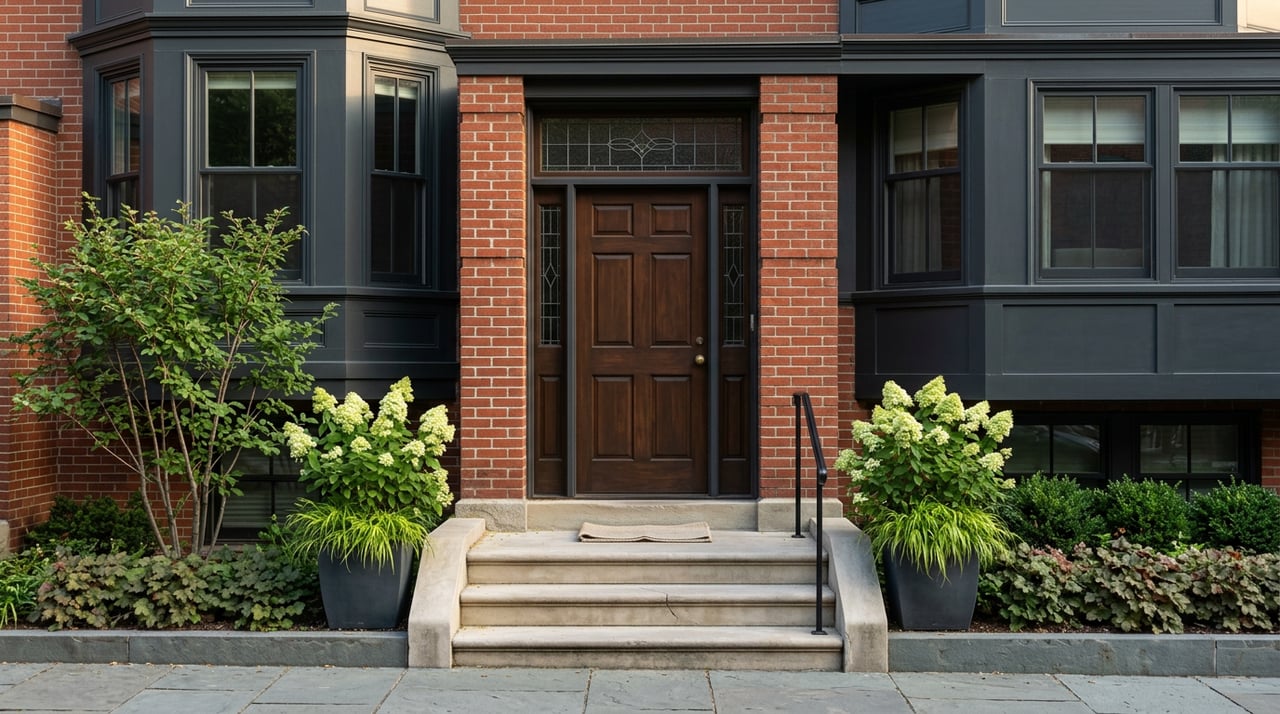
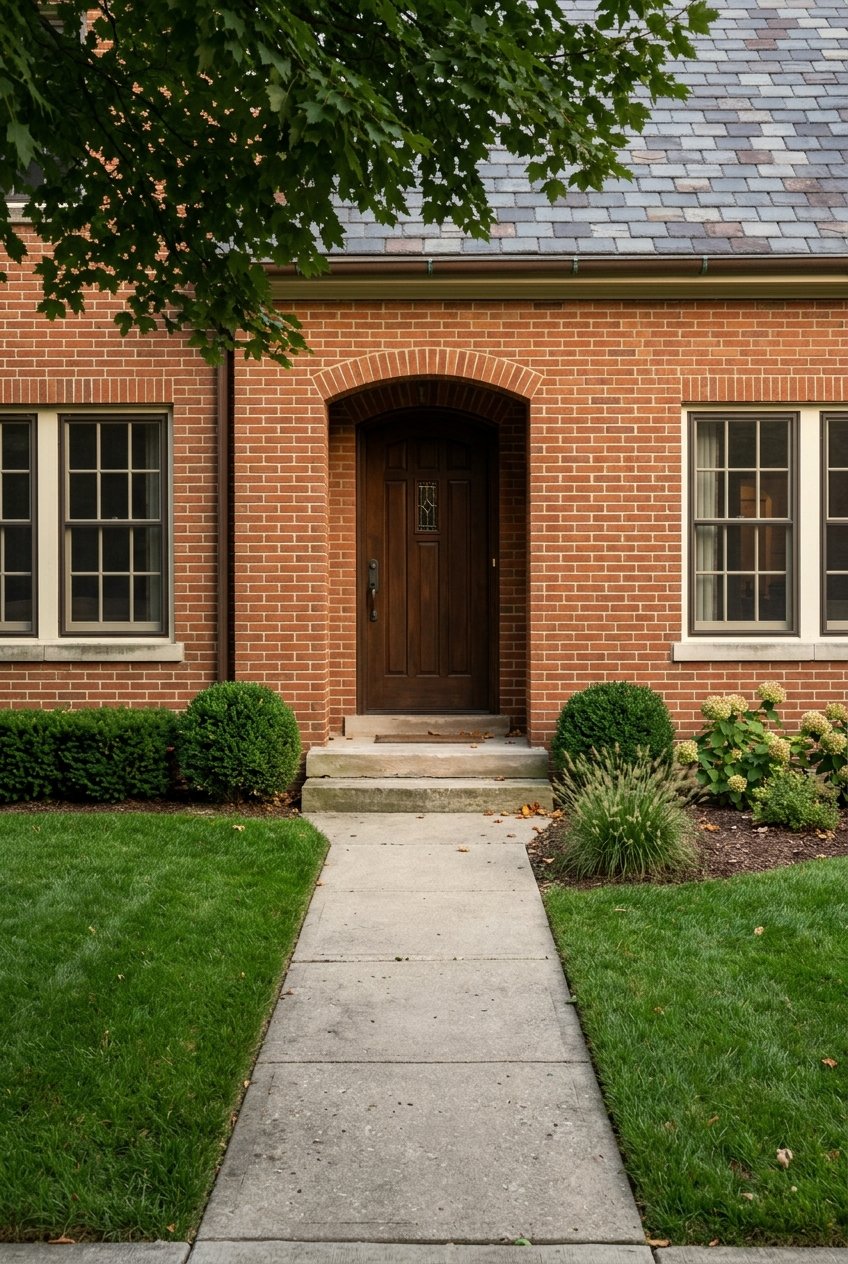
River Forest identifies itself as a historic community, and that is easy to see in its housing stock. The village highlights architectural styles that include Gothic Revival, Victorian, Prairie School, Tudor Revival, Bungalows, Buurma Built, Art Deco, and Moderne, with homes associated with architects such as Frank Lloyd Wright, William Drummond, Spencer and Powers, and E.E. Roberts.
That character is also reflected in the village’s preservation framework. River Forest says its locally established historic district includes about 860 properties, and its Historic Preservation Commission has designated 298 homes as Significant Properties. For you as a seller, that means buyers may be evaluating more than condition and layout. They may also be looking closely at architectural details, historic context, and authenticity.
The village-wide architectural survey adds even more depth. It documents many Prairie, Craftsman, Bungalow, Foursquare, and Mid-Century Modern homes, along with hundreds of properties classified as contributing or potentially contributing to the historic district. In practical terms, your home may have a story that is worth documenting before it ever hits the market.
Confirm your home’s historic status
Before you plan updates or marketing, find out how the village classifies your property. River Forest offers a searchable Significant Properties database, a brochure, a video series, and a guide to researching a River Forest home.
These resources can help you answer a few important questions early. Is your home in the historic district? Is it a Significant Property? Is there a known architect or documented restoration history tied to the home?
Those details can shape both your prep strategy and your listing story. They can also help you avoid making choices that create delays right before you go live.
What to gather before listing
A simple documentation file can make the selling process smoother. For a vintage River Forest home, it helps to collect:
- Historic district or Significant Property status
- Prior permit records
- Restoration or repair records
- Notes on original features and materials
- Architect or survey references, if available
This kind of preparation supports accurate marketing and clearer buyer conversations. It also gives you a stronger foundation if questions come up during attorney review or inspection discussions.
Focus on preservation, not over-updating
When sellers prepare an older home, the instinct is often to modernize as much as possible. In River Forest, that approach can backfire if it strips away the features that make the home distinctive in the first place.
The village’s preservation standards emphasize keeping original qualities intact, maintaining stylistic features and craftsmanship, repairing deteriorated features when possible, and matching replacement materials to the original in composition, design, color, texture, and visual qualities. The standards also caution against changes that try to make a house look older than it is.
The takeaway is simple: authenticity matters. Buyers drawn to vintage homes in River Forest are often responding to details like original millwork, windows, masonry, built-ins, floor plans, and period design elements. A careful repair can do more for value than a rushed replacement that feels out of character.
Safe pre-list improvements to consider
In many cases, the safest pre-market work is the kind that improves presentation without creating permit or preservation issues. That can include:
- Deep cleaning
- Paint touch-ups where appropriate
- Landscape cleanup
- Minor maintenance
- Careful repair of existing features
If your punch list starts to involve exterior changes, windows, or larger repairs, pause and confirm whether village review or permits may be required first.
Know when village review may apply
If your home is a Significant Property, exterior work can trigger village review. River Forest says property owners must meet with the Historic Preservation Commission, and work involving more than 20% of a street-facing facade or certain window replacements visible from the street cannot move forward until the commission is notified and the required review steps are completed.
Timing matters here. The village says it generally has 30 days to review applications, or 7 days in the case of windows. If you wait until the last minute, your listing timeline can get pushed back.
River Forest also states that permits should be obtained before work begins. If not, work can be stopped, a surcharge may be added, and completed work may be subject to removal. That is why pre-list prep for a vintage home should be treated as a planning exercise, not just a weekend project list.
If you are doing permitted work
If you move forward with repairs that require permits, keep the process organized. River Forest notes that inspections must be scheduled by the permit applicant, and electrical and plumbing inspections are handled by B & F Technical Code Services.
That may sound like a small administrative detail, but it can affect your timeline. If you are trying to launch on a specific date, permit scheduling and inspection coordination should be built into the plan from the start.
Take disclosures seriously from day one
Disclosures are especially important when selling an older home. Under Illinois law, a seller must provide the Residential Real Property Disclosure Report before signing a contract, and if the seller later learns of an error, inaccuracy, or omission before closing, a supplemental disclosure must be provided.
The law also states that the disclosure is not a warranty and is not a substitute for inspections. That is a strong reason to treat disclosure as an early part of your listing prep, not paperwork to rush through once an offer arrives.
For a vintage home, it is often helpful to review the property with a contractor or arrange a pre-list inspection. While that is not a legal requirement, it can help you uncover issues early so you can decide whether to repair them, disclose them, or reflect them in your pricing strategy.
Older-home items that often come up
River Forest vintage homes can prompt more detailed buyer due diligence simply because of their age. Depending on the home, common discussion points may include:
- Roof age and maintenance history
- Windows and exterior condition
- Foundation or water issues
- Mechanical systems
- Prior renovations or additions
- Permit history for major work
The goal is not to present an old home as flawless. The goal is to present it honestly, clearly, and with as few surprises as possible.
Prepare for lead paint and radon requirements
If your home was built before 1978, federal lead-based paint rules apply. Sellers must disclose any known lead-based paint or lead-hazard information and give buyers a 10-day opportunity to conduct a paint inspection or risk assessment.
Illinois also requires a seller to provide the IEMA radon pamphlet and the Illinois Disclosure of Information on Radon Hazards before the buyer is obligated under a contract. The statute specifically says the seller is not required to test or mitigate.
For many older homes, these items are a normal part of the resale package. Handling them early can help reduce stress once you are in active negotiations.
Price with local discipline
Vintage homes do not fit neatly into automated pricing models. Architectural significance, condition, level of preservation, lot size, updates, and buyer demand can all influence value in ways that broad online estimates may miss.
Recent market snapshots still offer useful context. Redfin reported a median sale price of $599,690 for the three months ending April 2026, with average days on market of 56, homes going pending in about 43 days, and average sale prices about 2% above list. Zillow reported 33 homes for sale and a median list price of $424,950 on April 30, 2026.
These figures are directional, not interchangeable, because the companies use different methodologies. What they do show is an active River Forest market where pricing, condition, and presentation can meaningfully affect your outcome.
Why comps matter more for vintage homes
A vintage home should be priced from recent comparable sales, not from a generic estimate. The most useful comparisons usually account for:
- Architectural style
- Historic status
- Condition and preservation level
- Lot and location within River Forest
- Size, layout, and updates
That kind of pricing work is especially important when your home’s value includes details that are hard to capture in an algorithm.
Market the home’s character clearly
A strong vintage-home listing should do more than mention charm. It should explain what makes the home meaningful and why those details matter.
River Forest’s preservation standards put the focus on original qualities, stylistic features, and craftsmanship. That makes a character-first marketing approach especially effective here. Instead of flattening the home into generic language, your marketing should highlight verified architectural details, preserved materials, thoughtful restoration work, and the overall integrity of the property.
Professional photography and strong storytelling are key. Buyers should be able to see how the home lives today while also understanding what makes it distinct within River Forest’s historic housing landscape.
What buyers want to understand
When buyers tour a vintage home, they are often trying to answer a few practical questions at once:
- What is original?
- What has been restored or updated?
- Was work done with care?
- Are there records that support the home’s story?
- Are there any known review or permit considerations for future exterior work?
When you answer those questions up front, your listing feels more credible and easier to trust.
Choose a team that understands both history and process
Selling a vintage home in River Forest is partly a preservation exercise and partly a market exercise. You need a listing strategy that respects the home’s architecture while also handling disclosures, pricing, preparation, and presentation with discipline.
The right team should be able to verify whether your home is in the historic district or on the Significant Properties list, explain when exterior changes may require preservation review, and price the property using local comparable sales. Just as important, they should know how to tell the story of the home in a way that feels accurate, polished, and compelling.
If you are thinking about selling a vintage home in River Forest, the best first step is a plan. A thoughtful strategy can help you protect the details that make your home special and position it for a stronger launch. To talk through timing, pricing, and preparation, connect with Camille Canales.
FAQs
What makes a vintage home in River Forest different to sell?
- A vintage home sale often involves both market preparation and historic-awareness, including documenting architectural features, confirming historic status, and planning repairs carefully.
How can you check if a River Forest home is historically significant?
- River Forest offers a searchable Significant Properties database and historic preservation resources that can help you confirm whether a home is in the historic district or designated as a Significant Property.
When does exterior work on a River Forest vintage home need review?
- If the home is a Significant Property, certain exterior work, including projects affecting more than 20% of a street-facing facade or some street-visible window replacements, may require Historic Preservation Commission review.
What disclosures are required when selling an older home in Illinois?
- Illinois requires the Residential Real Property Disclosure Report before contract signing, and sellers must supplement it if they later learn of an error, inaccuracy, or omission before closing.
What lead paint rules apply to pre-1978 River Forest homes?
- Sellers of homes built before 1978 must disclose known lead-based paint or lead hazards and give buyers a 10-day opportunity to conduct a paint inspection or risk assessment.
What radon disclosure is required for an Illinois home sale?
- Before a buyer is obligated under contract, the seller must provide the IEMA radon pamphlet and the Illinois Disclosure of Information on Radon Hazards.