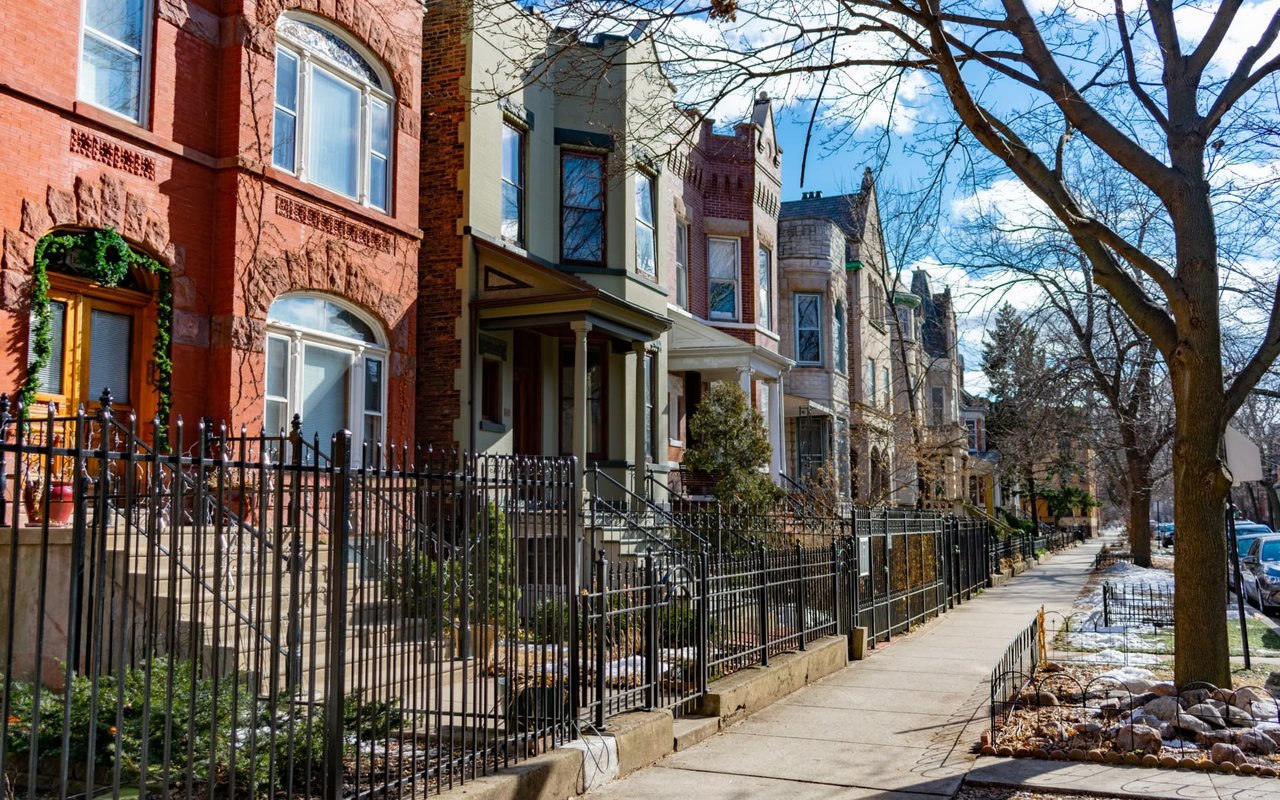
When I bought my first home in Chicago, it was a multi-unit — and from the start, it was a multigenerational home. Multiple generations of my family lived under that roof. We shared meals, shared expenses, and shared a city that we were all figuring out together. At the time, I didn't think of it as a real estate strategy. It was just family. But years later, as that arrangement has become one of the fastest-growing trends in American housing, I realize how much that early experience shaped the way I help clients today.
Multigenerational living — defined as three or more generations sharing a home — is no longer a niche arrangement tied to specific cultural communities or financial distress. It has become a mainstream response to the realities of 2026: high home prices, aging parents, adult children who can't afford to live alone, and a growing recognition that shared living can be genuinely good. Here's what the data shows, and what it means if you're considering this kind of purchase in Chicago.
3.9M Multigenerational Households owner-occupied, 2024 | 14% of Buyers chose multigenerational | $709K Median List Price 65% above standard | 13.5% More Page Views than standard listings | 5 People Avg. Household Size 4 bedrooms, $131K income |
The Numbers: A Quiet Revolution in How Americans Live
In 2024, nearly 3.9 million owner-occupied U.S. homes housed three or more generations — up from 3.2 million in 2014, a 22% increase over a decade. As a share of all owner-occupied households, multigenerational living rose from 4.3% in 2019 to 4.5% in 2024, according to a new Realtor.com report. The U.S. Census Bureau puts the broader picture even larger: counting renters and owners, there were 6 million multigenerational households as of 2020, up from 5.1 million in 2010.
Source: Realtor.com, May 2026. 2019 figure estimated from 4.3% share of owner-occupied households.
What's driving the growth? The NAR's 2026 Generational Trends Report found that 14% of all home buyers last year purchased a multigenerational home. Their top reasons: caring for aging parents, reducing living costs, and accommodating adult children who had moved back home. Gen X buyers — ages 46 to 60 — led the way, with 19% purchasing a multigenerational home, a reflection of the so-called "sandwich generation" simultaneously supporting both aging parents and adult children.
The Price Reality: These Homes Carry a Premium
Demand for multigenerational homes has a real price consequence. In 2025, the median list price for a multigenerational home on Realtor.com was $709,000 — roughly 65% higher than the $429,900 median for a standard listing. Some of that gap reflects size (these homes are larger), but even on a per-square-foot basis, multigenerational homes commanded $262 versus $215 for standard homes — a 22% premium driven by specialized features: in-law suites, secondary kitchens, dual entries, and aging-in-place design elements.
Source: Realtor.com, 2025 data. Premium reflects size, specialized features, and coastal market concentration.
Despite the higher price tag, demand is fierce: multigenerational listings attracted 13.5% more page views than standard homes and sold in the same median timeframe of 59 days. Buyers are paying more — and they're not hesitating.
Chicago and the Midwest: Low Supply, High Opportunity for Sellers
The Midwest — including the Chicago metro — has the lowest share of multigenerational home listings of any U.S. region, at just 2.9% of all listings. That's compared to 14% in the West, 6.1% in the South, and 5.3% in the Northeast.
Source: Realtor.com, 2025. Western metros like LA (23.7%) and San Diego (22.7%) lead nationally.
What does thin supply in the Midwest mean in practice? In cities like Detroit and Cleveland — similar Midwest inventory profiles to Chicago — multigenerational homes that do come to market command price premiums of 107–120% above standard listings, and attract 78–82% more page views. The scarcity is driving outsized competition and price spikes.
For Chicago buyers, this means: when a two-flat, coach house, or home with a genuine in-law suite comes to market, it won't last. For sellers who own this type of property, the demand equation has shifted significantly in your favor.
What Chicago Buyers Should Look For
The best multigenerational homes in Chicago aren't always labeled as such. In our market, the inventory most suited to extended-family living falls into a few distinct categories:
Two- and three-flats. Chicago's classic two-flat — a building with two separate units, typically one per floor — is one of the most functional multigenerational living arrangements available. Families can own the building together while each generation maintains its own front door, kitchen, and daily independence. Neighborhoods like Avondale, Logan Square, Pilsen, and the Northwest Side have significant two-flat inventory, though much of it has been converted to condos over the past decade.
Coach houses and ADUs. Chicago's 2020 ADU ordinance (expanded in subsequent years) now allows accessory dwelling units in broad swaths of the city. A coach house or garden unit behind a primary residence is increasingly viable for a grandparent or adult child. When searching, look for "coach house," "carriage house," or "granny flat" in listing descriptions — these are exactly the keywords Realtor.com identified as markers of multigenerational-suitable inventory.
Single-family homes with in-law potential. A finished basement with a separate entrance, or a ground-floor suite with its own bathroom, can be adapted for multigenerational use. Look for features like a kitchenette, a private entrance, and ADA-accessible bathrooms — even if they're not explicitly marketed as an in-law suite.
A Note on the Finances
The financial case for multigenerational living is increasingly compelling. When multiple generations pool income toward a single mortgage, purchasing power grows. When grandparents provide childcare in exchange for housing, families save thousands per year in daycare costs. When adult children contribute rent, parents offset their mortgage. The typical multigenerational household in the Realtor.com data has five people and a combined income of $131,000 — a household profile that opens up more of the Chicago market than any single earner could access alone.
From a financing perspective, lenders will generally count income from all adult household members who will be on the mortgage. If a parent and an adult child are purchasing together, both incomes (and both credit profiles) count. This is worth discussing with a mortgage professional early in the process — the structure of the ownership matters.
What I Know From Experience
I've represented buyers specifically searching for multigenerational properties, and I've helped sellers understand how to market a two-flat or coach house property to the growing pool of buyers who need exactly that. But more than anything, I understand this search personally.
When my family and I shared that first Chicago home, I learned things about multigenerational living that no report can fully capture: the logistics of shared spaces, the importance of true separation for each generation's privacy, the value of a property with enough space that everyone can breathe. Those aren't just abstract search criteria. They're things I help clients think through in every multigenerational home search I take on.
If you're weighing this option — whether you're a parent considering bringing an aging parent closer, or an adult child exploring a joint purchase with your family — I'd welcome the conversation.
Schedule a Conversation →
Realtor.com, "Nearly 4 Million American Homes Now House Multiple Generations," May 2026.
National Association of Realtors, 2026 Home Buyers and Sellers Generational Trends Report.
U.S. Census Bureau, "In 2020, 7.2% of U.S. Family Households Were Multigenerational," June 2023.