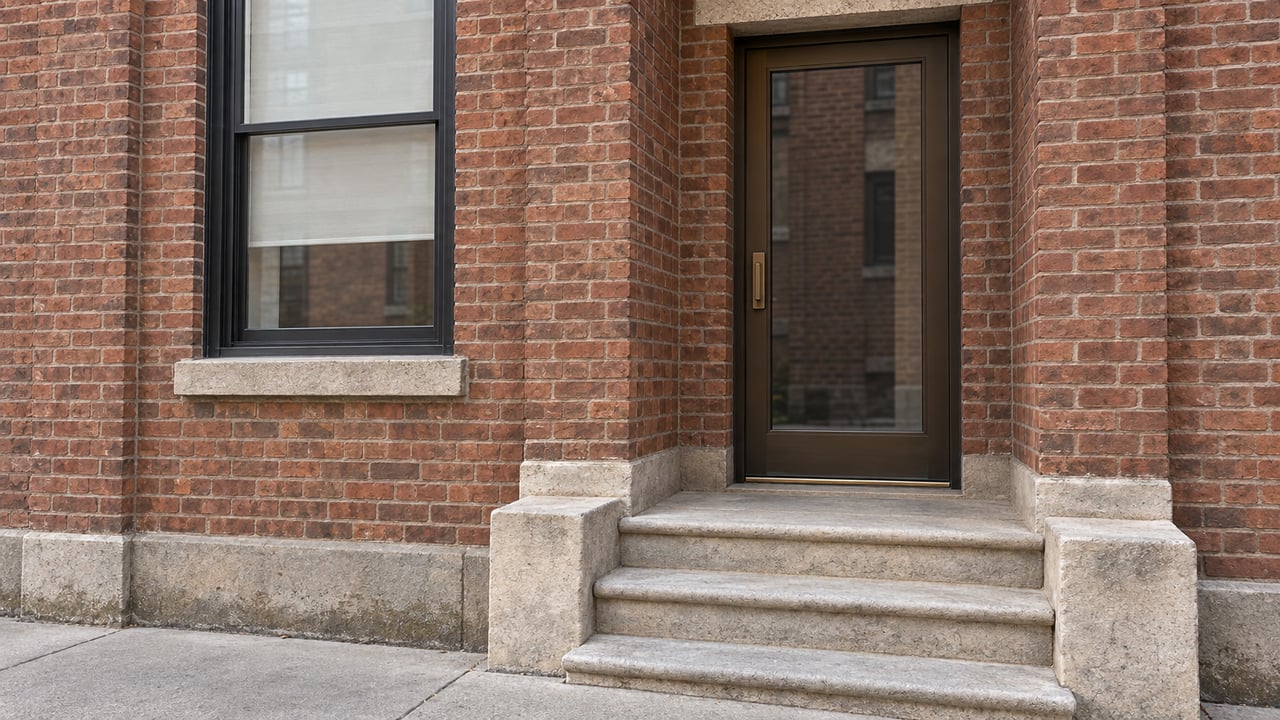
Most homes on Chicago's North and Northwest Side were built between roughly 1890 and 1940 — brick bungalows, greystones, frame two-flats, and workers' cottages that have outlasted generations of owners. That durability is a big part of why buyers love them. It also means they share a predictable set of maintenance problems, and nearly all of them trace back to the same three forces: water, heat, and time.
This guide is the hub for our vintage home maintenance series. Below you'll find the 20 problems we see most often in older Chicago homes, the warning signs for each, and links to a detailed guide for every category — plus a seasonal plan for staying ahead of all of it.
Quick Answer
The most common maintenance problems in older Chicago homes are water-related: clogged gutters, soil that slopes toward the house, foundation cracks, failed roof flashing, and ice dams. Next come masonry issues (worn mortar, efflorescence, rusted steel lintels), aging plumbing (corroded galvanized pipe, poorly pitched drains), and air leakage that drives up winter heating bills. Most are inexpensive to fix when caught early and expensive when ignored — which is why a spring and fall inspection routine is the single most valuable habit a vintage homeowner can build.
The 20 Most Common Maintenance Problems in Older Chicago Homes
Use this table as a quick diagnostic. Find the symptom you're seeing, then follow the link to the full guide.
Problem | Warning Sign | Full Guide |
|---|---|---|
1. Curling roof shingles | Cupped or lifted shingle edges | |
2. Attic leaks | Stains on rafters or top-floor ceilings | |
3. Ice dams | Thick ice ridges and heavy icicles at the eaves | |
4. Clogged gutters | Water spilling over the edge during rain | |
5. Water at the base of exterior walls | Dark, damp brick or green growth near grade | |
6. Foundation cracks | Cracks in basement walls, especially if widening | |
7. Efflorescence | White, powdery residue on brick | |
8. Worn mortar joints | Recessed, sandy, or missing mortar | |
9. Cracks above windows and doors | Stair-step cracks at the corners of openings | |
10. Painted brick or limestone | Bubbling or peeling paint on masonry | |
11. Low water pressure | Weak flow at multiple fixtures | |
12. Slow drains | Tubs and sinks that drain sluggishly or gurgle | |
13. Sewer gas smell | Rotten-egg odor near drains or in the basement | |
14. Lead paint during projects | Any home built before 1978 | |
15. Missing carbon monoxide alarms | No alarm near sleeping areas | |
16. Mold | Musty smell, visible spotting in basements or baths | |
17. Peeling paint on wood windows | Bare or graying wood on sashes and sills | |
18. Failed or misplaced exterior caulk | Cracked caulk at trim — or caulk where it traps water | |
19. Banging radiators | Knocking or hammering when the heat comes on | |
20. Drafts and high heating bills | Cold rooms, high gas bills, uneven temperatures |
The Complete Vintage Home Maintenance Series
Each guide covers what causes the problem, how to tell how serious it is, what you can handle yourself, and when it's time to call a professional.
Roof and Attic Problems: Shingles, Leaks, and Ice Dams →
Curling Shingles · Attic Leaks · Ice Dams
Curling shingles and ice dams look like roof problems, but they usually start in the attic: trapped heat, missing air sealing, and poor ventilation. Bungalows, with their deep eaves and finished half-story attics, are especially prone to both. This guide explains how to diagnose the cause, where flashing fails, and the right order of fixes.
Gutters, Grading, and Foundation Cracks →
Clogged Gutters · Wet Exterior Walls · Foundation Cracks
On a typical Chicago lot, with a narrow gangway and a neighbor a few feet away, getting water away from your foundation takes deliberate effort. This guide covers gutter maintenance, downspout extensions, gangway and soil grading, and how to tell a harmless shrinkage crack from one that needs a structural engineer.
Chicago Brick Repair: Efflorescence, Tuckpointing, and Lintel Cracks →
Efflorescence · Repointing · Rusted Lintels · Painted Masonry
Chicago's century-old brick is soft, and it needs soft mortar. Repointing with modern, high-strength mortar is one of the most common — and most damaging — mistakes we see. Learn why mortar is meant to wear out before the brick does, what causes those stair-step cracks above windows, and why painting masonry causes more problems than it solves.
Plumbing Problems in Older Chicago Homes →
Low Water Pressure · Slow Drains · Sewer Gas Smells
Many vintage Chicago homes still have original galvanized supply lines and decades of DIY drain work. This guide walks through the usual suspects behind weak water pressure, sluggish drains, and that unmistakable sewer odor — including the simple fix for the most common cause.
Lead Paint, Carbon Monoxide, and Mold →
Lead-Safe Projects · CO Alarms · Mold Cleanup
These are the three issues in an older home that affect your health, not just your house. Learn how to work safely around lead paint, where carbon monoxide alarms need to go, and how to deal with mold properly — starting with the moisture source, not the spots on the wall.
Wood Windows and Exterior Caulking →
Repainting Wood Windows · Where to Caulk · Where Not To
Original wood windows can last another century with a fresh coat of paint every several years. This guide covers how to prep and paint exterior wood the right way — and why caulking every gap you see can actually trap water and cause rot.
Drafty Chicago Home? Fixing High Heating Bills and Banging Radiators →
Air Sealing · Attic Insulation · Steam Radiators
Vintage homes are well built but leaky. Learn how to define your home's thermal boundary, which insulation mistakes can create real hazards, and why banging radiators are almost always a pipe-pitch problem.
How to Build a Maintenance Plan for an Older Chicago Home
The biggest maintenance problem in most vintage homes isn't any single repair — it's not having a plan. Without one, small issues stay invisible until they become big ones. A workable plan doesn't need to be complicated:
- Walk the house twice a year. Spring and fall inspections catch most problems before they compound. Go outside first (roof line, gutters, brick, grading), then the attic, then the basement.
- Prioritize in this order: safety, then water, then structure, then energy, then cosmetics. A leaking flashing joint outranks a new kitchen backsplash every time.
- Budget for it. A common rule of thumb is to set aside 1% to 3% of your home's value each year for maintenance and repairs. Century-old homes typically land at the higher end.
- Keep a log. Record dates, contractors, materials, and receipts. It helps you spot recurring problems — and it's genuinely valuable documentation when it's time to sell.
- Be realistic. Spread big projects across seasons and years. Trying to tackle everything in one weekend is how projects get abandoned halfway.
Seasonal Maintenance Checklist for Chicago Homes
Season | Exterior | Interior & Systems |
|---|---|---|
Spring | Clean gutters; reattach downspout extensions; check soil and gangway pitch after the freeze-thaw season; look for loose or missing mortar. | Check the attic for winter leak stains; test the sump pump and backflow valve before storm season; inspect basement walls for new cracks or damp spots. |
Summer | Repaint exterior wood trim and windows in dry, mild weather; schedule tuckpointing; refresh failed caulk at trim joints. | Run a dehumidifier in the basement; check for musty odors; service the air conditioner. |
Fall | Clean gutters after the leaves drop; shut off and drain exterior spigots; check roof flashing and chimney crowns. | Book boiler or furnace service early; air seal and top up attic insulation; test smoke and carbon monoxide alarms. |
Winter | Watch for ice dams and heavy icicles; keep exhaust vents and gas meter clear of snow. | Note radiator banging or cold rooms; use cold, windy days to find drafts; check windows for heavy condensation. |
Why Maintenance Matters When You Buy or Sell
In today's market, homes in neighborhoods like Wicker Park and Andersonville are going under contract in a week or so, with less than a month of supply. That speed changes how maintenance shows up in a transaction.
For sellers, the home inspection is one of the few moments where a buyer regains leverage. A report full of deferred maintenance — tired mortar, a roof near the end of its life, an unpermitted plumbing patch — invites credit requests and renegotiation, even in a hot market. Addressing the obvious items before listing, and having a maintenance log ready, keeps the conversation on price rather than repairs.
For buyers, knowing which issues are routine for a 100-year-old home and which are red flags lets you move quickly without overreacting. Efflorescence and worn mortar are normal and fixable. A foundation crack that's actively widening, or evidence of repeated basement flooding, deserves a closer look before you commit.
Frequently Asked Questions
What is the most common maintenance problem in older Chicago homes?
Water intrusion. Clogged gutters, short downspouts, soil sloping toward the foundation, and failed roof flashing account for a large share of the damage we see in vintage homes, from basement dampness to deteriorating brick and attic rot.
How much should I budget for maintenance on a 100-year-old house?
A common guideline is 1% to 3% of the home's value per year. Older homes with original masonry, plumbing, and heating systems usually need budgets toward the top of that range, though costs come in uneven years — a quiet year followed by a roof replacement, for example.
When is the best time to inspect my home?
Spring and fall. Spring reveals what winter damaged (leaks, ice dam effects, freeze-thaw cracking), while fall is the time to prepare the roof, gutters, heating system, and insulation before cold weather arrives.
Do I need a permit for home repairs in Chicago?
Many common repairs — including roofing, masonry, plumbing, and electrical work — require a permit from the City of Chicago, and many qualify for the City's Express Permit Program. Licensed contractors typically pull the permit. Check with the Department of Buildings or your contractor before starting work.
Will deferred maintenance hurt my home's sale price?
It often does, mainly through the inspection. Buyers use inspection findings to request credits or price reductions, and visible neglect can make buyers wonder what they can't see. Documented, routine maintenance is one of the simplest ways to protect your price.
Buying or Selling a Vintage Chicago Home?
The Camille Canales Group works with buyers and sellers of vintage homes across Chicago's North and Northwest Side. Whether you want to know which repairs are worth making before you list, or what an inspection report really means, we're happy to talk it through.
This article is for general informational purposes and is not a substitute for advice from a licensed contractor, engineer, or inspector. Permit requirements and codes change; confirm current rules with the City of Chicago Department of Buildings before starting work.