You've found a 3-flat in Logan Square. The numbers work. The location is right. And then someone mentions the Northwest Side Preservation Ordinance — also called 606 TOPA — and suddenly there are questions you didn't know you needed to ask.
Most buyers first hear about this ordinance in the middle of a transaction. That's the wrong time to learn it. Understanding how 606 TOPA works before you make an offer on a tenant-occupied property in one of Chicago's covered Northwest Side neighborhoods will save you time, protect your earnest money, and keep your closing on track.
Here's what you actually need to know — from agents who have been on both sides of these transactions.
Related Reading
Understanding Chicago's Northwest Side Preservation Ordinance: What Home Buyers and Sellers Need to Know — our overview of the ordinance for both sides
What We Learned Representing Sellers Under the Northwest Side Preservation Ordinance — a real transaction walkthrough from the seller's side
What Is the Northwest Side Preservation Ordinance, and Why Should Buyers Care?
The ordinance gives tenants in certain Chicago Northwest Side neighborhoods the right to purchase the building they live in before it can be sold to an outside buyer. Sellers of covered properties must issue a formal Notice of Intent to Sell, wait through a mandatory response period, and document tenant non-participation before a contract with an outside buyer can proceed to closing.
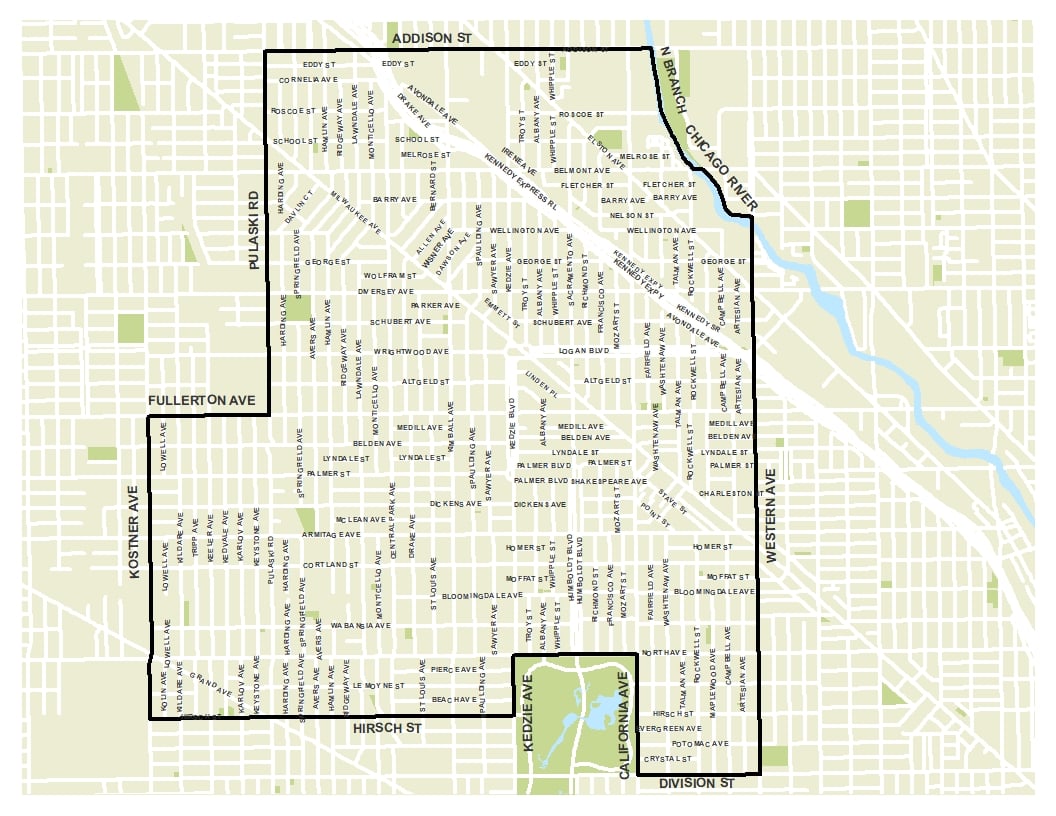
The ordinance covers properties in Logan Square, Avondale, Hermosa, Humboldt Park, and West Town — five of Chicago's most active neighborhoods for multi-unit investment. If you're buying a rental property in any of these neighborhoods, you will encounter this ordinance in some form.
How This Ordinance Directly Affects You as a Buyer
1. You can't be under contract until the tenant window closes
A seller cannot lawfully execute a binding purchase contract with an outside buyer until the tenant response window has fully elapsed without a qualifying tenant offer. If you make an offer and the seller accepts before completing this process — or in the middle of a still-open window — there are legal risks to the transaction that can surface later at the closing table.
2. Closing timelines are affected by when the seller started the process
A seller who began the compliance process before listing has already burned through the waiting period before you ever saw the property. A seller who didn't — or who is still in the middle of their notice period — means your closing cannot happen until the ordinance timeline is complete. Build this into your expectations before you fall in love with a property.
3. If a tenant exercises their right to purchase, they step in front of you
This is the part most buyers don't fully understand. If a tenant submits a valid pre-approval letter or letter of intent within their response window, the seller must negotiate with the tenant first — not you. You are not in a competing offer situation. The tenant has priority. If the tenant's purchase proceeds, your deal doesn't.
4. Non-compliant sellers create risk you inherit
If the seller did not follow the ordinance correctly and a tenant later files a complaint with the City or pursues legal action, the title to the property could be clouded. Thorough due diligence on seller compliance protects you — not just the seller.
The Numbers Buyers Need to Know
15–90 Days Tenant Response Window Depending on building size; this must expire before your contract is binding | Asking Price Tenant's Purchase Price Tenants buy at the listed asking price, not a negotiated buyer's price | 5 Neighborhoods Covered Area Logan Square, Avondale, Hermosa, Humboldt Park, West Town |
Your Due Diligence Checklist as a Buyer
Before you go under contract on any tenant-occupied property in the covered area, confirm the following. Your attorney should review this documentation during attorney review period at minimum — ideally before you make the offer.
☐ Ask for the Notice of Intent to Sell. The seller should have a copy of the formal notice delivered to tenants and filed with the City of Chicago Department of Housing. If they can't produce it, that's a significant red flag.
☐ Verify the delivery dates. The notice must show documented delivery to each tenant. Ask for proof of delivery — certified mail receipts, signed acknowledgments, or both. The tenant response window starts from confirmed delivery, not the date on the letter.
☐ Confirm the response window has closed for every tenant. Each tenant has their own response deadline, which runs from their individual confirmed delivery date. Make sure all windows have lapsed before your contract is executed.
☐ Review any tenant communications regarding purchase interest. If any tenant expressed interest in purchasing, confirm in writing that they either withdrew that interest, failed to provide required financial documentation, or that the full response period elapsed without a qualifying exercise of their right.
☐ Verify DOH filing. Delivery to tenants alone is not sufficient — the seller must have also filed the notice with the City's Department of Housing. Ask for confirmation of that filing.
☐ Ask about any price reductions since the notice was issued. If the asking price changed significantly after the notice was delivered, the seller may have been required to re-notice tenants at the new price. Confirm this was handled correctly.
☐ Have your attorney review the full compliance packet during attorney review. Standard real estate attorney review is the right time to formally request and review all compliance documentation as a condition of the contract.
Response Windows by Property Size
Property Size | Notice Period | Tenant Response Window | What to Ask For |
|---|---|---|---|
1–2 Occupied Units | 15 days | 15 days | Notice + proof of delivery + signed declinations or lapse documentation |
3–4 Occupied Units | 30 days | 30 days | Notice + proof of delivery per tenant + DOH filing + declinations or lapse |
5+ Occupied Units | 60 days | 90 days | Full notice packet + DOH correspondence + tenant group documentation |
What Actually Happens If a Tenant Exercises Their Right to Purchase?
In most transactions in the covered area, tenants do not exercise their right to purchase. The most common outcome is that the response window elapses without a qualifying tenant offer, the seller proceeds with the open market, and the buyer closes without any complications from the ordinance.
But understanding what happens in the less common scenario is important, particularly if you're making an offer on a property where the notice period is still active:
Step 1: A tenant submits a valid pre-approval letter from a lender (for 1–4 unit buildings) or a letter of intent from a financial institution (for 5+ units) within their response window. This constitutes a formal exercise of the right to purchase.
Step 2: The seller must negotiate with the tenant at the asking price stated in the Notice of Intent to Sell. The seller cannot simultaneously pursue an outside buyer while a tenant's qualifying offer is active.
Step 3: If the tenant secures financing and proceeds, the sale closes with the tenant as buyer. An outside buyer in this scenario has no claim to the property.
Step 4: If the tenant's purchase falls through — they cannot secure financing, they miss required deadlines, or they withdraw — the seller can then proceed with an outside buyer.
Buyer's takeaway: If you're under a verbal agreement or letter of intent with a seller while a tenant response window is still open, understand that your deal is genuinely contingent on tenant non-participation. This isn't just a formality — it's a real risk to account for in your decision to pursue the property.
What a Well-Prepared Seller Looks Like
When we listed 2913 N. Sacramento Avenue — a 3-flat greystone in Avondale with two active tenants — we started the compliance process before the property hit the MLS. By the time buyers were touring the property, the 30-day notice period had already run. Both tenants had received formal notice. Neither exercised their right to purchase. The compliance documentation was organized and ready to hand to the buyer's attorney at contract.
That property went under contract in 18 days and closed at $860,000. Buyers had certainty from the start: the ordinance had been handled correctly, the documentation was clean, and there were no surprises waiting at the closing table.
When you're evaluating a property in the covered area, ask your agent whether the seller's compliance documentation is ready. A seller who has already completed the process gives you a much cleaner path to close than one who hasn't started it yet.
Frequently Asked Questions for Buyers
Does the ordinance affect owner-occupied properties?
The ordinance applies to rental properties in the covered area. If you're purchasing a single-family home that is fully owner-occupied with no tenants, the ordinance's notice and response requirements typically do not apply. If any portion of the property is rented — including a coach house, basement unit, or any unit with a lease — consult your attorney on how the ordinance applies.
Can the seller sell to me at a lower price than what was in the Notice of Intent to Sell?
A significant price reduction after the notice was issued may require the seller to re-issue the notice at the new price and restart the tenant response window. This is an important due diligence question: if the property has been reduced since listing, ask whether new notices were sent. Your attorney should verify this.
What if I'm purchasing a vacant property in one of the covered neighborhoods?
If the property is fully vacant and has been for a documented period, the tenant notice requirements typically do not apply, as there are no tenants to notify. Confirm with your attorney and verify the vacancy status thoroughly — a recently vacated unit is different from a unit that has been empty for a year.
Does the ordinance affect what I can do with the property after I buy it?
The ordinance's compliance requirements apply at the point of sale. When you eventually resell the property, you will be the seller subject to its requirements at that time. The ordinance does not restrict what you do with the property during your ownership — it governs the process of selling to an outside buyer when tenants are in place.
Should I be concerned about buying a property where the seller didn't comply?
Yes. Non-compliance can expose a transaction to tenant complaints, city enforcement, fines, and potential title issues. If a seller cannot produce proper documentation of their compliance with the ordinance, this should be treated seriously in your due diligence. Your attorney can advise on what remedies may be available and whether the risk is acceptable.
Buying a Multi-Unit on Chicago's Northwest Side?
We know the ordinance, we know the neighborhoods, and we know how to protect your transaction from start to close. Let's talk about what you're looking for.
Call 773-377-9200Send Us a Message
The information in this post is for general educational purposes and reflects the authors' experience with the Northwest Side Preservation Ordinance as of publication. It does not constitute legal advice. Consult a licensed Illinois real estate attorney for guidance specific to your transaction.