Trying to decide where in Lincoln Park you should live? Lincoln Park is one of Chicago’s largest and most recognizable neighborhoods, but it isn’t a single uniform place. Within Lincoln Park, several distinct pockets offer different lifestyles, housing types, and street dynamics. Some areas revolve around historic homes and quiet residential blocks, while others center around universities, shopping streets, and lakefront access.
In this guide, you’ll compare vibes, housing types, transit access, parks, and price signals across Lincoln Park’s key micro-neighborhoods: Old Town Triangle, the Armitage/Halsted Corridor, the DePaul/Sheffield area, and East Lincoln Park near the lakefront. By the end, you’ll have a clearer understanding of which part of Lincoln Park best fits your lifestyle.
How Lincoln Park Is Laid Out
Lincoln Park sits on Chicago’s North Side and stretches from North Avenue on the south to roughly Diversey Parkway on the north, and from Lake Michigan on the east to the Chicago River on the west.
The neighborhood takes its name from Lincoln Park itself, the massive lakefront park that runs along Chicago’s shoreline and includes beaches, trails, sports fields, and the Lincoln Park Zoo.
Several major corridors shape daily life in the neighborhood:
-
Halsted Street, known for shopping and restaurants
-
Armitage Avenue, a boutique retail corridor
-
Clark Street, connecting Lincoln Park to Old Town and Lakeview
Transit access is strong, with several CTA Red, Brown, and Purple Line stations serving the neighborhood, along with multiple bus routes.
Nearby neighborhoods include Old Town, Lakeview, Bucktown, Wicker Park, and the Near North Side.
Quick Quiz: Which Part of Lincoln Park Fits Your Lifestyle?
Choose the statement that best matches how you want to live.
You want historic homes and quiet residential streets near downtown. → Old Town Triangle
You want boutique shopping, cafés, and walkable streets. → Armitage / Halsted Corridor
You want access to DePaul University, restaurants, and transit. → DePaul / Sheffield Area
You want lakefront access, parks, and classic Lincoln Park living. → East Lincoln Park
Old Town Triangle: historic charm near downtown
Vibe
The Old Town Triangle sits at the southern edge of Lincoln Park and is one of Chicago’s most historic residential districts. Quiet tree-lined streets and preserved architecture give the area a village-like atmosphere despite its proximity to downtown.
Many homes here date back to the mid-1800s, making it one of the city’s oldest residential neighborhoods.
Housing
Housing in Old Town Triangle includes:
-
Historic row homes
-
Renovated townhouses
-
Vintage walk-up condos
-
Small courtyard buildings
The district has strict historic preservation guidelines, which help maintain its architectural character.
Restaurants and amenities
Residents are a short walk from restaurants along Wells Street and North Avenue, which feature cafés, theaters, and nightlife.
Parks and recreation
The neighborhood sits just steps from Lincoln Park, offering access to the lakefront trail, beaches, and the Lincoln Park Zoo.
Transit
Residents commonly use the Sedgwick Brown Line station or nearby Red Line stations for commuting downtown.
Price signals
Due to its historic character and proximity to downtown, Old Town Triangle homes often command premium prices within the Lincoln Park market.
Armitage / Halsted Corridor: boutique shopping and classic Lincoln Park streets
Vibe
The Armitage Avenue corridor near Halsted Street is one of Chicago’s most recognizable boutique shopping districts. Tree-lined streets filled with historic buildings house independent retailers, cafés, and neighborhood restaurants.
This area combines lively commercial streets with quiet residential blocks just steps away.
Housing
Housing types include:
-
Classic Chicago row homes
-
Renovated single-family homes
-
Vintage condo buildings
-
Boutique condominium developments
Many homes date back to the late 19th century.
Restaurants and amenities
The Armitage corridor features boutique retail, restaurants, and cafés within a walkable environment. Residents also have easy access to dining options along Halsted and Clark.
Parks and recreation
Lincoln Park’s lakefront amenities are a short walk or bike ride east.
Transit
Residents typically use the Armitage Brown Line station, which provides quick access to downtown.
Price signals
Homes near the Armitage shopping corridor tend to command higher prices due to walkability and historic charm.
DePaul / Sheffield Area: lively campus energy
Vibe
Centered around DePaul University, this part of Lincoln Park has a vibrant and energetic atmosphere driven by student life, restaurants, and retail.
The neighborhood remains highly walkable and connected to transit.
Housing
Housing includes:
-
Condo buildings
-
Vintage apartment buildings
-
Single-family homes on nearby residential streets
-
Student-oriented rental buildings
The mix of students, faculty, and long-term residents creates a lively community feel.
Restaurants and amenities
Restaurants, cafés, and shops cluster around Sheffield Avenue and Fullerton Avenue, serving both residents and DePaul students.
Parks and recreation
Residents have easy access to both Lincoln Park and neighborhood parks like Jonquil Park.
Transit
The Fullerton CTA station provides access to the Red, Brown, and Purple lines, making this one of the most transit-connected areas of the neighborhood.
Price signals
Condos near the DePaul campus often attract strong rental demand due to the university’s presence.
East Lincoln Park: lakefront living and classic Chicago homes
Vibe
East Lincoln Park offers some of the neighborhood’s most desirable residential streets thanks to its proximity to Lincoln Park and Lake Michigan. Tree-lined streets, historic homes, and lakefront access create a classic Chicago neighborhood atmosphere.
Housing
Housing here includes:
-
Historic mansions
-
Luxury single-family homes
-
Vintage condo buildings
-
High-rise condominiums near the lake
Many buildings offer views of the park or lake.
Parks and recreation
Residents enjoy immediate access to Lincoln Park, which includes:
-
The Lincoln Park Zoo
-
The Lakefront Trail
-
Beaches and sports fields
-
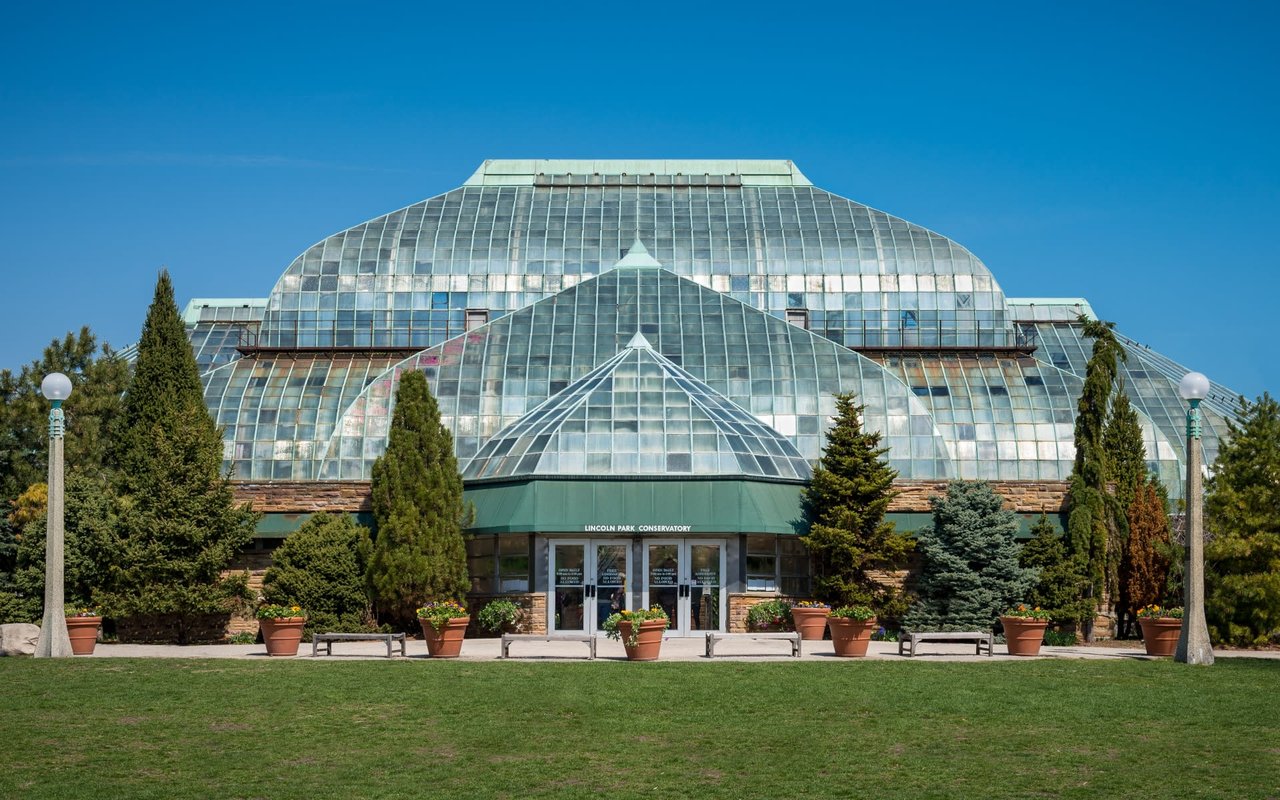
The Lincoln Park Conservatory
Transit
Residents typically use the Clark Street bus corridor or nearby Red and Brown Line stations.
Price signals
East Lincoln Park frequently commands some of the highest home prices in the neighborhood due to lakefront proximity and historic architecture.
Lincoln Park Market Snapshot
According to Compass market insights and recent Redfin sales data, Lincoln Park remains one of the most expensive residential neighborhoods in Chicago due to its proximity to downtown, lakefront access, and historic housing stock.
Recent market snapshots indicate:
-
Median home prices frequently exceeding $1 million depending on property type
-
Strong demand for renovated single-family homes
-
High competition for properties near the lakefront and boutique retail corridors
Because Lincoln Park includes a mix of condos, townhomes, and luxury homes, pricing varies significantly across micro-neighborhoods.
Lincoln Park Micro-Neighborhood Comparison
| Area | Best For | Housing Types | Transit |
|---|---|---|---|
| Old Town Triangle | Historic homes | Row homes, condos | Brown Line |
| Armitage Corridor | Boutique shopping | Houses, condos | Armitage Brown Line |
| DePaul Area | Campus energy | Condos, rentals | Fullerton Red/Brown/Purple |
| East Lincoln Park | Lakefront living | Luxury homes, high-rises | Bus / Red Line |
What to Consider Before Buying in Lincoln Park
Parking and permit zones
Many Lincoln Park blocks use Chicago residential permit parking. Some streets near commercial corridors have additional restrictions.
Property taxes
Lincoln Park property taxes vary widely depending on property type, lot size, and recent reassessments.
Condo assessments
Luxury condo buildings near the lake often have higher monthly assessments due to amenities and building services.
School boundaries
School assignments depend on the exact address. Buyers should verify enrollment with Chicago Public Schools.
Development trends
Lincoln Park has limited available land for development, which helps preserve historic housing but can also contribute to higher property values.
Local Tips
Best for historic architecture: Old Town Triangle and East Lincoln Park.
Best for shopping and dining: Armitage Avenue and Halsted Street.
Best for transit access: Areas near the Fullerton and Armitage CTA stations.
Best for lakefront access: East Lincoln Park.
Ready to Explore Lincoln Park?
Lincoln Park offers a blend of historic architecture, boutique retail streets, lakefront access, and some of Chicago’s most desirable residential blocks. Touring several areas of the neighborhood can help determine which micro-neighborhood best matches your lifestyle.
If you’re considering buying or selling in Lincoln Park, Logan Square, Bucktown, Wicker Park, or Andersonville, local expertise can help you compare neighborhoods and identify opportunities.
Reach out to Camille Canales for neighborhood guidance and current market insight.
📞 773.232.5282
✉️ [email protected]
FAQs
Is Lincoln Park one of the most expensive neighborhoods in Chicago?
Yes. Lincoln Park consistently ranks among Chicago’s most expensive neighborhoods due to its lakefront location, historic homes, and proximity to downtown.
What CTA lines serve Lincoln Park?
Lincoln Park is served by the Red, Brown, and Purple CTA lines, with stations at Fullerton, Armitage, and nearby stops.
Is Lincoln Park good for families?
Many families choose Lincoln Park for its parks, schools, and residential streets. The neighborhood offers access to playgrounds, the Lincoln Park Zoo, and lakefront recreation.
What makes Lincoln Park different from Lakeview?
Lincoln Park generally features more single-family homes and higher property values, while Lakeview tends to offer more condo buildings and a slightly broader housing mix.