If your front door opened onto an elevated park, how would your day change? Along The 606 in West Bucktown, that is the daily rhythm. You get car-free green space for morning runs, shortcut bike rides to coffee, and an easy way to explore nearby blocks without crossing busy streets. In this guide, you’ll see what life really looks and feels like here, from housing styles and prices to transit, noise, seasons, and everyday routines. Let’s dive in.
Living along The 606
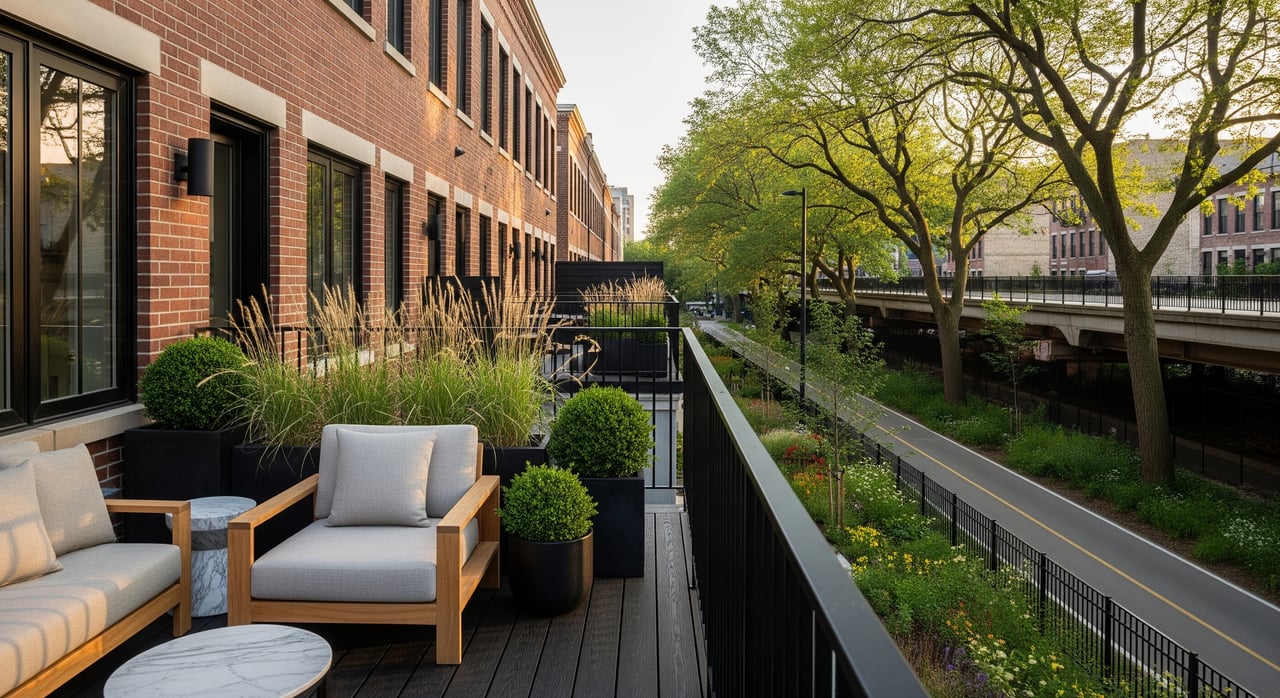
The 606, also known as the Bloomingdale Trail, is an elevated linear park that runs about 2.7 miles east to west. It opened in 2015 and connects several Northwest Side neighborhoods, including the area that blends West Bucktown with Bucktown and Logan Square. You can access the trail from multiple ramps and stairs scattered along residential side streets.
For West Bucktown residents, the trail functions as a neighborhood backbone. It creates safe, car-free east to west movement, links pockets of homes to local shops, and adds green space where dense city blocks meet. You feel the energy of people moving, meeting, and commuting throughout the day.
Morning to night rhythms
Mornings start with runners, dog walkers, and cyclists using the trail as a quick east to west route. Local cafes and bakeries often see a bump from trail users grabbing a coffee or breakfast on the way home. If you bike to work, the trail can be your connector to rail stations or to nearby employment hubs.
Midday brings families, strollers, and walkers enjoying a slow lap or two. In warmer months, you will see people take lunch outdoors on adjacent blocks or use benches to catch a break. Freelancers sometimes treat the trail as a moving desk, pairing a podcast with a sunny walk.
Afternoons and early evenings pick up again with joggers and commuter cyclists. After work, the flow turns social as neighbors meet for a walk or head to nearby fitness studios and restaurants. Weekends peak with families, group rides, and visitors, which raises both the buzz and the foot traffic.
Trailside amenities and habits
The 606 changes how you get around. It is a straightforward place to run, cycle, and walk without battling lights at every intersection. It also serves as a direct pedestrian path between small clusters of shops and services.
Social life often spills onto the trail and the streets right below it. You might meet a neighbor for a quick loop, organize a dog-walking meetup, or wander to check out public art. The steady foot traffic supports nearby cafes, brunch spots, boutiques, and breweries, creating a small but real boost for local businesses.
Seasons on the trail
From spring through fall, outdoor life is in full swing. Programming and community events are more common, and sunny weekends feel lively. In winter, usage drops but never disappears. Snow clearing occurs, though icy conditions and occasional closures can happen, so you plan your route based on weather and maintenance updates.
Housing near The 606
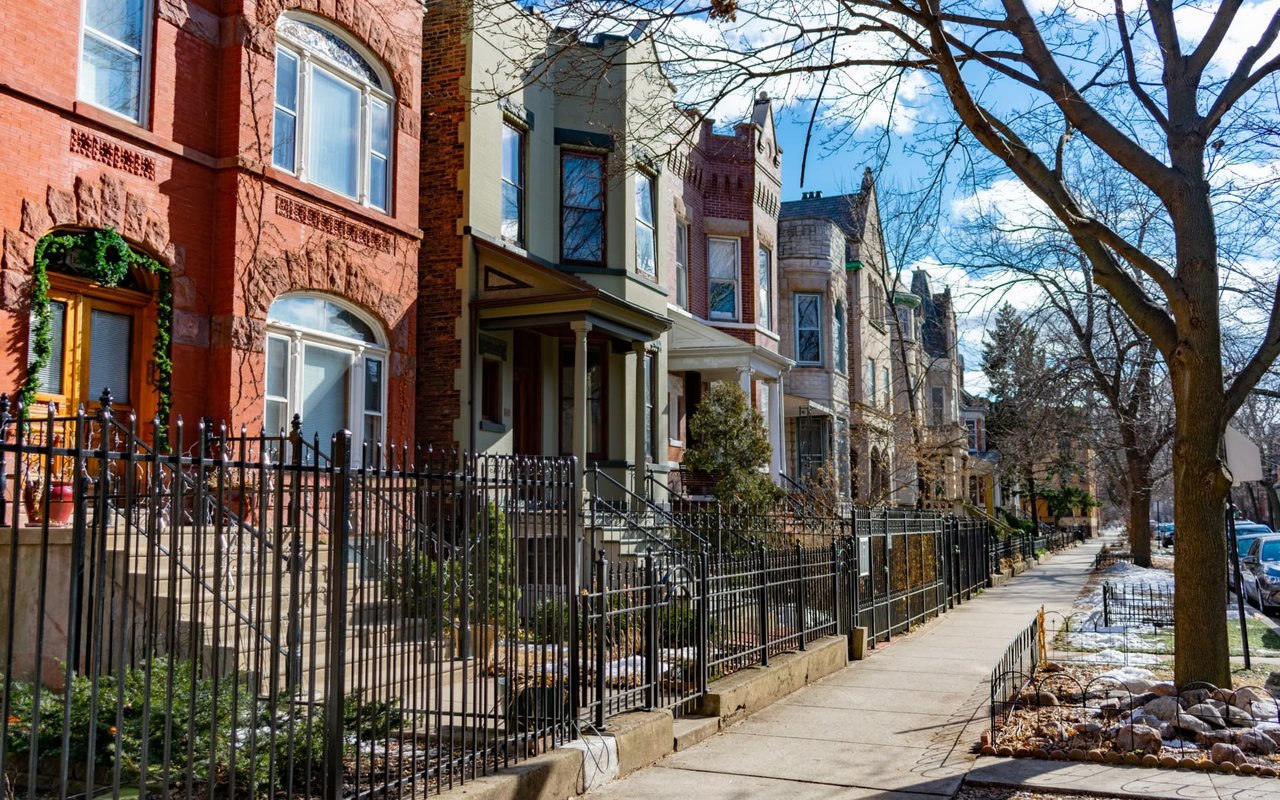
You find a mix of historic and new housing options close to the trail. Classic Chicago two-flats and three-flats sit alongside vintage brick townhomes and early 20th-century houses, many converted to condominiums or rentals. New-construction infill brings contemporary townhouses and low-rise condos, especially near busier corridors and access points.
Some pockets include loft conversions or duplexes where older industrial buildings once stood. Unit sizes commonly range from one to three bedrooms. You will also see a mix of single-family homes and small multi-unit investments.
Who lives here and why
Residents include young professionals, couples, small families, and long-time locals. Many choose this area for its walkability, bike-friendliness, and easy access to green space. If you value movement, convenience, and a neighborhood that feels active without losing its residential character, the trail-side lifestyle fits well.
Prices and tradeoffs to weigh
Proximity to The 606 often carries a premium. Since the trail opened in 2015, multiple reports and local observations have pointed to price growth and faster appreciation for nearby properties. That dynamic also fuels ongoing conversations about affordability and displacement, which remain important community concerns.
Parking is another common tradeoff. Homes near the trail can have limited off-street options. Many residents lean into car-light living with biking, walking, and transit. If you do keep a car, expect some evening and weekend competition for street parking and be mindful of local permit and street rules.
Getting around and transit
The trail’s biggest daily value is connectivity. It shortens east to west trips and helps you reach buses and rail without cutting across multiple busy streets. West Bucktown residents commonly use CTA buses on corridors like Western, Damen, and California, with rail access in adjacent neighborhoods on the Blue Line.
Many people pair the trail with bike-share stations, which you often find near access points and commercial corridors. If you bike to work or to errands, The 606 becomes your reliable spine. For downtown commuters, connecting from the trail to bus or rail can streamline the trip.
Parks, pets, and play
The 606 itself is green space that links to smaller parks, playgrounds, and pocket greens within a short walk. Families use the trail for stroller walks and quick outdoor breaks between naps and meals. Dog owners often combine daily walks with a short run or a social lap.
Off-leash areas exist in neighborhood parks, and they are popular with trail users. Rules vary by location, so it is best to check the latest Chicago Park District guidelines before you go. If having easy outdoor time matters to you, living near The 606 makes it simple to get your steps in and unwind.
Schools and childcare basics
West Bucktown offers a mix of Chicago Public Schools, charter options, and private preschools and daycare centers. Assignments and enrollment policies can vary block by block. If schools are a priority, review the CPS boundary map and current performance data for the specific addresses you are considering.
For families, proximity to the trail is often a lifestyle bonus. The car-free pathway can make walking routes feel more straightforward during the day, and the extra green space gives you a flexible outlet for playtime and exercise.
Safety, noise, and privacy
During the day and early evening, the trail draws consistent foot traffic, which many residents feel adds comfort. As with any urban path, it is smart to stay aware of your surroundings and use extra caution during less-trafficked hours. Neighbors also pay attention to lighting, maintenance, and community-led stewardship.
Crowds bring both upside and noise. You get ambient activity, community energy, and passive eyes on the street that can help discourage petty issues. You also get weekend buzz, event days, and less privacy if your windows or yards face the trail.
Quick pros and cons
- Pros: high walkability, easy biking, direct green space. Active lifestyle and strong support for local businesses. Attractive for car-light living with flexible transit options.
- Cons: higher prices and taxes near the trail. Weekend crowds and event noise. Parking pressure on surrounding streets and ongoing affordability concerns.
Is life here a fit for you?
If you want a daily routine that blends city convenience with a constant nudge to get outside, living along The 606 in West Bucktown checks a lot of boxes. You trade some privacy and parking ease for access, movement, and an outdoors-forward lifestyle. The best way to decide is to experience different times of day, walk the blocks near access points, and see how the rhythms match your habits.
Work with local experts
Choosing a home near The 606 is about more than a price per square foot. It is about how you live day to day and how the trail’s energy fits your routine. If you are weighing homes or condos near the trail, want insight on micro-locations, or need a clear plan for buying or selling, reach out to Camille Canales. You will get neighborhood-level guidance and a step-by-step process tailored to your goals.
FAQs
Is The 606 safe at night in West Bucktown?
- The trail is busiest during the day and early evening, which many residents find comfortable; as with any urban path, use extra caution and awareness during less-trafficked hours.
How crowded does The 606 get on weekends?
- Spring through fall brings peak usage, especially on sunny weekends and event days, which raises both foot and bike traffic.
Do homes near The 606 sell for more?
- Reports since the trail’s 2015 opening have noted premiums or faster appreciation for nearby properties, though exact numbers vary with market conditions and location.
What is parking like near the trail?
- Expect competition for street spaces, particularly in evenings and on weekends, and check local permit and posted street rules if you own a car.
How is winter maintenance on The 606?
- Snow clearing occurs, but icy conditions and occasional closures can still happen, so plan routes based on weather and current maintenance updates.
Which transit options serve West Bucktown near The 606?
- Residents commonly use CTA buses on major north–south corridors like Western, Damen, and California, with Blue Line access in adjacent neighborhoods.
What types of homes are common near the trail?
- You will see classic two- and three-flats, vintage conversions, contemporary townhomes, low-rise condos, and some loft-style options in select pockets.