Your 30s are a particular kind of moment for a city move. You're past the phase where you'll live anywhere as long as it's interesting and cheap. You're not yet at the point where school districts and square footage are the only things on the spreadsheet. You know yourself well enough to have real preferences, and you're making a decision you expect to stick.
Chicago meets that moment well. It's a city that works for people in their 30s in ways that are both obvious and genuinely surprising, and the decisions you make when you arrive (neighborhood, buy versus rent, property type) tend to have long-term consequences. This post is about navigating those decisions well. If you want the broader relocation overview first, start with our Moving to Chicago guide.
Why Chicago Makes Sense in Your 30s Specifically
There's a version of the Chicago pitch aimed at recent college graduates looking for an affordable big city. That pitch is accurate, but it's not this post. This one is for people arriving with some professional footing, some clarity about how they want to live, and some interest in putting down roots rather than landing somewhere for a few years.
Chicago rewards that profile specifically. Here's why.
The value proposition hits differently when you're in a position to buy. Many people who move to Chicago in their 30s come from cities where ownership felt out of reach. Chicago resets that. Price per square foot in desirable neighborhoods compares favorably with New York, San Francisco, Los Angeles and even Austin. We've written about what that shift looked like for clients moving from New York, California, Texas and Washington, DC. And in your 30s, when you can realistically hold a purchase for a decade or more, the fundamentals of Chicago's established neighborhoods look very good.
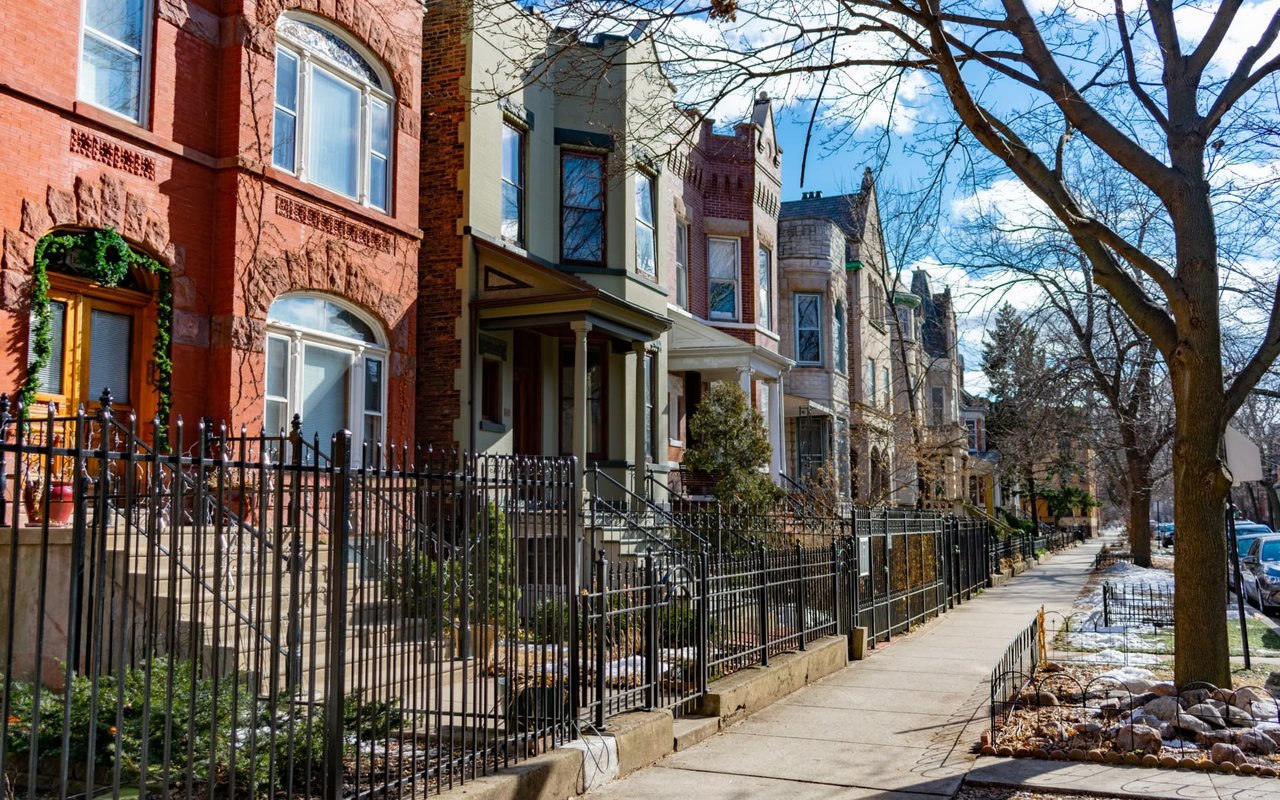
The neighborhoods are built for the life you actually want to live. Lincoln Park, Wicker Park, Bucktown, Logan Square and Lakeview are dense enough to be walkable and social, established enough to have real character, and varied enough to fit almost any version of a good daily life. You can find the excellent wine bar, the Saturday farmers market and the coffee shop where you actually get work done. Here they're woven into neighborhoods with real architecture and community, not retrofitted into mixed-use developments.
The city has grown-up things to do. Chicago has world-class restaurants, an extraordinary museum landscape, major league teams in every sport, a theater scene anchored by Steppenwolf and the Goodman, deep jazz and blues roots, and a lakefront that works as an 18-mile public amenity. That cultural infrastructure is not a consolation prize for not being in New York. In your 30s, when you actually use these things, it lands differently.
The Neighborhood Question: More Important Than You Think
The single most consequential decision you'll make when moving to Chicago in your 30s is not which apartment to rent or which condo to buy. It's which neighborhood to plant yourself in. Get this right and everything else follows more easily. Get it wrong and you'll spend two years vaguely unsatisfied before figuring out where you should have been.
CCG Chicago founder Camille Canales, who moved from Austin to Chicago in 2004, describes the city as a collection of small cities within a larger one, each with its own architecture, commercial character and social personality. That means the neighborhood search deserves real time and attention.
Here's what the main options cost, based on our 2026 neighborhood market reports:
Neighborhood | 2026 median price | Best fit in your 30s | Full market report |
|---|---|---|---|
Bucktown | Over $1 million | Couples settling in; quieter streets near Wicker Park energy | |
Lincoln Park | About $794,000 | Long-horizon buyers who want the lakefront and classic architecture | |
Logan Square | About $680,000 | Value-minded buyers; two-flat owner-occupants | |
Wicker Park | About $672,500 | Singles and couples who want walkability and nightlife | |
Avondale / Roscoe Village | About $660,000 | Buyers stretching for space a little farther out |
Medians blend condos, two-flats and single-family homes, so a condo will usually come in well below these figures and a single-family home well above.
Lincoln Park
Lincoln Park is the neighborhood we'd call the most quintessentially Chicago, and for buyers in their 30s with a longer time horizon it's one of the strongest arguments in the city. The lakefront and the park are right there. The architecture is extraordinary, with original 19th-century greystones and brownstones on genuinely beautiful streets. The corridors on Armitage and Clark are excellent, and the long-term fundamentals are as solid as anything in Chicago. If you're buying here and planning to hold for ten years, the math tends to work out well. Our guide to Lincoln Park's micro-neighborhoods breaks it down block by block.
Wicker Park and Bucktown
Wicker Park and Bucktown are where a lot of people in their 30s actually end up, and for good reason. The energy is right: dense, walkable, full of independent restaurants and bars, connected by the 606 trail, with vintage condos and single-family greystones at a range of price points. It has the social infrastructure that makes a neighborhood livable as a single person or a couple without kids, the kind of place where you develop regulars and run into people you know.
Bucktown tends to attract buyers who want a slightly quieter residential feel than Wicker Park's main corridor while staying connected to the same amenities. Couples a few years into their 30s, and families with young children, often land here. Not sure which side of North Avenue fits you? Read our Bucktown vs. Wicker Park comparison, plus the micro-neighborhood guides for Wicker Park and Bucktown. CCG Chicago has offices in both Bucktown and Logan Square, and these are the neighborhoods we know in particular depth.
Logan Square
Logan Square has been one of the city's best buys for the past decade and continues to attract buyers in their 30s with an eye for value. The boulevard system is architecturally beautiful, and the restaurant scene on Milwaukee Avenue keeps growing. The two- and three-flat building stock makes it the natural home for house hacking: buying a two-flat, living in one unit and renting the other. Several of our relocation clients have done exactly this, and for the right buyer it's a meaningful financial decision as well as a lifestyle one. See our guide to Logan Square's micro-neighborhoods and our take on buying a two-flat. If you're deciding between the two most popular options, start with Logan Square vs. Wicker Park for first-time buyers.
Lakeview
Lakeview and the area around Wrigleyville sit north of Lincoln Park and offer strong walkability, a lively social scene and slightly more accessible prices than Lincoln Park proper. If you're earlier in your 30s and focused on renting well before you buy, it's worth serious consideration. Our guide to Lakeview's micro-neighborhoods can help you narrow it down.
Buy or Rent First: An Honest Take
This comes up in almost every conversation with relocation buyers in their 30s, and the honest answer is: it depends on how well you know Chicago before you arrive.
If you've spent real time in Chicago and have genuine conviction about a neighborhood, buying when you arrive can make a lot of sense, particularly where values in established neighborhoods have appreciated steadily. The carrying costs are real (Illinois property taxes are higher than many states; here's how Chicago property taxes work), but so is the cost of renting in a desirable neighborhood for years while you build someone else's equity.
If your neighborhood sense is based on research rather than experience, renting for six to twelve months first is often the smarter move. Chicago reveals itself on foot, and the neighborhood you think you want before you arrive is sometimes not the one you end up in. We help clients with rentals too, so we can set that year up well.
What we'd caution against is renting indefinitely out of indecision. Chicago's ownership market in good neighborhoods isn't likely to get cheaper in any sustained way. The buyers who do best rent purposefully for a defined period, learn the city during that time, and then buy with conviction. For the full math, see rent or buy: the real tradeoff.
And if the down payment is the sticking point, look at Illinois' $15,000 down payment assistance program and the city's Homegrown program. Most buyers also don't put 20% down.
The Social Side: Building a Life, Not Just an Address
This is the part of the relocation conversation real estate blogs usually skip, but it matters.
Moving to a new city in your 30s is socially harder than moving in your 20s. The easy social infrastructure of college or a first job doesn't exist in the same way, so you have to build it deliberately. Chicago is a good city for that work, but the work is real.
Your neighborhood matters more than almost anything else. A walkable neighborhood with a strong local commercial scene (a coffee shop you visit regularly, a bar where you become a regular, a restaurant where the staff knows you) creates the conditions for organic connection. That's why it's worth optimizing for social infrastructure, not just square footage and commute time.
Chicago's block clubs, local Facebook groups and neighborhood associations are genuinely active, and plugging in early pays off faster than most people expect. Neighborhood traditions help too: in Logan Square, the farmers market and the plaza events calendar are easy ways to start seeing the same faces. The lakefront trail and the 606 do the same thing on foot: regular paths through beautiful public space where you gradually feel like you belong.
Bridget Smith, who moved to Chicago from New York City in 2011, describes it as a city she's never looked back on, where the lakefront, the neighborhood energy and the community she built became a genuine passion. That's a common arc for people who move here in their 30s and get the neighborhood right.
The Winter, Calibrated for Your 30s
You know about the winter. Everyone tells you about the winter. Here's the version that's actually useful.
In your 20s, a bad winter is something you white-knuckle through. In your 30s, you have more resources and more agency. You invest in a real coat, real boots and real layers. You choose a neighborhood with good indoor destinations woven into it: the bar that becomes essential in February, the restaurant where you have a standing reservation, the gym close enough to actually reach when it's cold. Runners can borrow a few ideas from how Chicago runners keep moving all winter.
If you buy, winter is also a homeowner's season. Our seasonal home maintenance checklist covers what to do before the first freeze.
The winter is real. It's also manageable, and people who arrive in their 30s with some intention about how they'll live handle it better than people who just show up and hope. And spring in Chicago, after you've earned it, is one of the best things a city can offer.
What to Do Before Your Search Starts
Whether you're buying or renting, a few things make the process go better.
Get clear on your non-negotiables. Commute tolerance, walkability, outdoor space, condo versus house, and whether you'd consider a multi-unit. Answering these before you look at listings narrows the field and reduces decision fatigue. Wondering whether you'll need a car? Here's our take on driving in Chicago.
Spend time in neighborhoods before you commit. Even a weekend visiting three or four neighborhoods on foot tells you more than weeks of online research. Walk the main commercial street, sit in a coffee shop, take the L, and notice how the neighborhood feels at different times of day.
If you're buying, get pre-approved early and understand your full cost picture before you fall in love with a property: purchase price, property taxes, HOA fees and closing costs. Our step-by-step guide to buying a home in Chicago walks through each stage.
Talk to someone who knows the city well. In Chicago the neighborhood decision and the property decision are connected, and you need a guide who understands both and asks the right questions about how you actually want to live.
That's what we do at CCG Chicago. Reach out to the team and let's start the conversation.
Frequently Asked Questions About Moving to Chicago in Your 30s
Is Chicago a good city to move to in your 30s?
Yes, especially if you want to buy. Chicago combines big-city culture with home prices well below New York, San Francisco and Los Angeles, and its established neighborhoods are walkable and social. Many people who couldn't buy in coastal cities can buy here in their 30s.
What are the best Chicago neighborhoods for people in their 30s?
Wicker Park, Bucktown, Logan Square, Lincoln Park and Lakeview are the most popular. Wicker Park and Lakeview suit singles who want nightlife; Lincoln Park and Bucktown suit couples settling in; Logan Square suits value-focused buyers and two-flat owners.
How much does a home cost in those neighborhoods?
Based on our 2026 market reports, median prices run from about $660,000 in Avondale and Roscoe Village to over $1 million in Bucktown. Condos typically sell well below the median and single-family homes well above it.
Should I rent or buy when I first move to Chicago?
If you already know which neighborhood you want, buying right away can make sense. If you don't, rent for six to twelve months, learn the city on foot, then buy with conviction.
Is it hard to make friends in Chicago in your 30s?
It takes more intention than in your 20s. Choosing a walkable neighborhood with regular local spots, joining block clubs and neighborhood groups, and using shared spaces like the lakefront trail and the 606 speed it up considerably.
How bad are Chicago winters?
Cold and long, typically from December through March. With the right gear and a neighborhood full of good indoor places to go, most transplants in their 30s find winter very manageable.