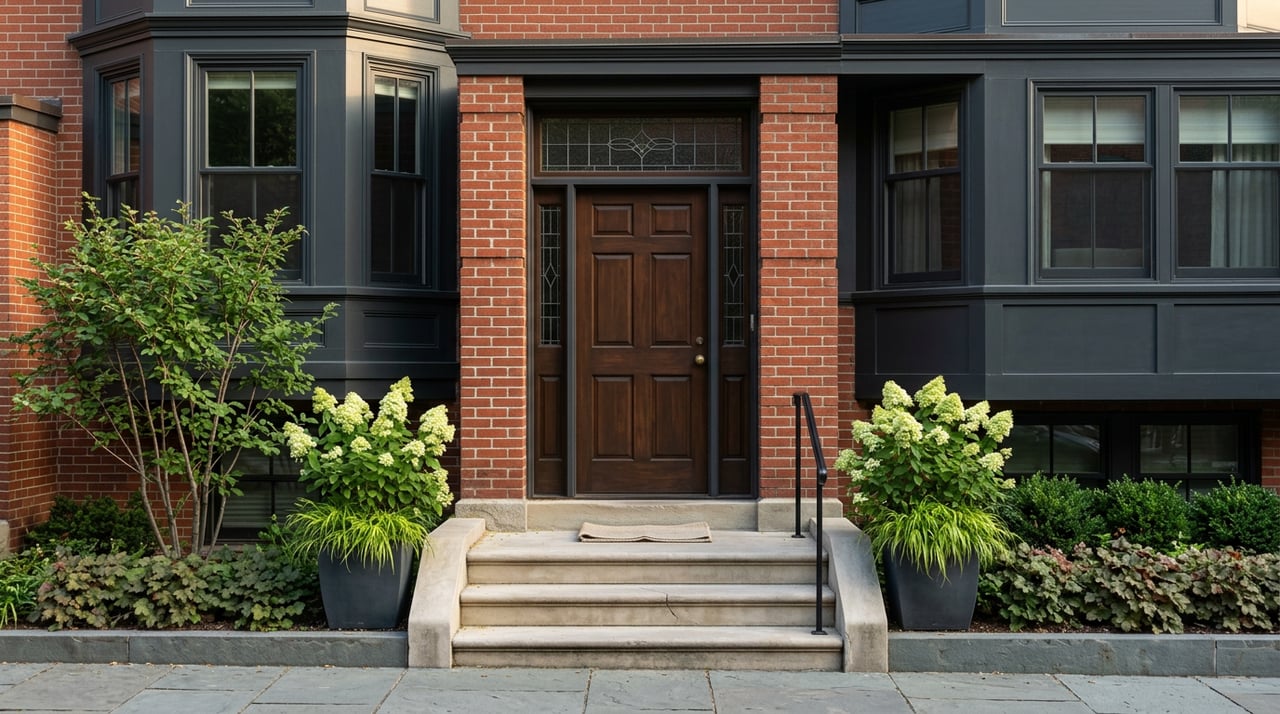
If you've been searching for down payment assistance or first-time homebuyer programs in Chicago, there's a major new option worth knowing about. The City of Chicago's HomeGrown Purchase Assistance Program offers eligible buyers grant money toward a down payment and closing costs — up to $70,000 depending on where you buy.
Applications open Monday, June 8, and funding is first-come, first-served, so it pays to understand how the program works before the window opens. Here's a plain-English breakdown.
What is the HomeGrown Program?
HomeGrown is a grant program run by the City of Chicago Department of Housing (DOH). It was announced by Mayor Brandon Johnson and DOH to help low- and moderate-income families buy homes in a market where rising prices have pushed ownership out of reach for many working households.
The program is backed by $21 million drawn from the Mayor's $1.25 billion Housing and Economic Development Bond. Unlike some other city programs, HomeGrown is available citywide, and it awards more money than most comparable assistance programs.
The grant money can be used for:
- Down payment
- Closing costs
How Much Money Can You Get?
The grant amount depends on your household income and the location of the home you're buying. Chicago divides eligible properties into two zones:
- Zone A (higher-cost areas with rising home prices): up to $70,000
- Zone B (lower-income census tracts): up to $50,000
One important cap: the grant cannot exceed 25% of the home's purchase price, regardless of zone.
Who Qualifies?
To be eligible, you'll generally need to meet the following:
- Income limits tied to Area Median Income (AMI): up to 120% AMI in Zone A and up to 150% AMI in Zone B. For reference, a family of four at 150% AMI earns roughly $182,250, and an individual can qualify with income up to about $127,650.
- First-time-style requirement: you cannot currently own another home, investment property, or vacation property.
- Primary residence: the home must be your main residence — investment and non-owner-occupied properties don't qualify.
- You can be relocating to Chicago and still apply, as long as the home will be your primary residence.
- Homebuyer education: you must complete 6–8 hours of training through a HUD-approved counseling agency (self-paced online-only courses don't count). Condos and two-unit properties may require additional training.
- A personal contribution: buyers must put in at least 1% of the purchase price from their own funds.
There are also a few financing rules worth flagging early:
- You'll need a fixed-rate mortgage (adjustable-rate, interest-only, and cash-only purchases are not allowed).
- Your debt-to-income ratio must be 38% or lower.
- Co-signers are not permitted — the person getting the mortgage must live in the home.
What Homes Are Eligible?
The program covers move-in-ready existing homes and qualifying new-construction purchases, specifically:
- Single-family homes
- Condominiums
- Townhomes
- Two-unit properties
Not eligible: 3- or 4-unit buildings, ground-up new construction, and certain homes tied to City of Chicago land-sale or redevelopment programs. Purchases that include rehab can qualify if total rehab costs stay under $50,000 and don't exceed 20% of the purchase price.
The 5-Year Commitment (and How the Grant Is "Forgiven")
HomeGrown is structured as a forgivable grant. As long as you keep the home as your primary residence and follow the rules, you won't have to pay it back. The grant is forgiven gradually — 1/60th each month over five years.
If you sell, transfer ownership, move out, rent the unit, or do a cash-out refinance before the five years are up, the remaining balance becomes repayable to the City. You'll also confirm your residency once a year with a simple affidavit.
How to Apply
The program is administered by two Community Development Financial Institutions (CDFIs): Neighborhood Lending Services (NLS) and TRP Lending LLC. You can begin the process through one of the city's partner agencies:
- Neighborhood Housing Services of Chicago — nhschicago.org/homegrown
- The Resurrection Project — resurrectionproject.org/homegrown
Note that you can only work with one agency, not both. Applications open June 8, and because funding is limited and awarded first-come, first-served, applicants may be placed on a waitlist if funds run out. For official program details, visit chicago.gov/homegrown or call the Department of Housing at 312-744-3653.
Thinking About Buying? Let's Talk Strategy
Programs like HomeGrown can be the difference between renting another year and owning your first home — but the eligibility rules, zones, and timing can get complicated fast. The buyers who succeed are the ones who get their financing, education requirement, and home search lined up before applications open.
If you have questions about whether HomeGrown might work for you, how it fits with your home search, or what to do to be ready when applications open June 8, I'm happy to help you map it out.
Contact Camille Canales: 📞 773.232.5282 ✉️ [email protected]
Sources
- City of Chicago, Department of Housing — HomeGrown Purchase Assistance
- City of Chicago — Mayor Brandon Johnson and DOH Announce HomeGrown Purchase Assistance Program
- Neighborhood Housing Services of Chicago — HomeGrown Purchase Assistance Program FAQ
- Chicago Sun-Times — Housing program to give eligible Chicagoans up to $70,000 toward down payment
- WBEZ Chicago — Housing program to give eligible Chicagoans up to $70,000 toward down payment
- 40th Ward of Chicago — HomeGrown Grant Program: Get Assistance Buying a Home
This post is for informational purposes only. Program details, funding availability, and eligibility requirements are set by the City of Chicago and its administering agencies and are subject to change. Please confirm current details through the official sources above.