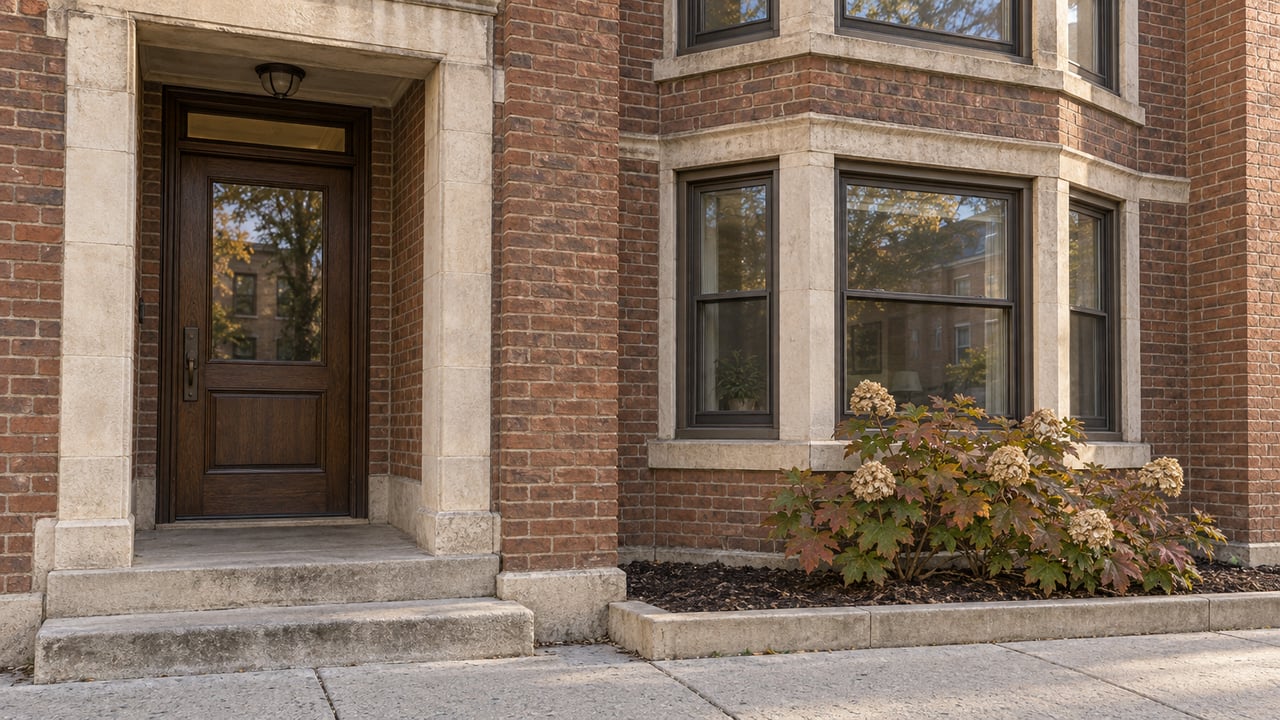
Home staging is one of the most common questions Chicago sellers ask before listing. Some homeowners believe staging is always necessary, while others assume it is optional or unnecessary. The truth lies in between. In neighborhoods like Logan Square, Lincoln Park, Bucktown, Wicker Park, and Andersonville, staging can be a powerful tool when used strategically, but it is not required in every situation.
This guide explains when staging truly matters, when it may not be necessary, and how to decide what approach makes the most sense for your home and your goals.
What Home Staging Actually Does
Staging is not about decorating for personal taste. It is about presenting your home in a way that helps buyers understand scale, layout, and lifestyle. The goal is to make the space feel inviting, functional, and easy to imagine living in.
Effective staging helps:
-
Rooms feel larger and more purposeful
-
Buyers understand how to use the space
-
Online photos stand out
-
Emotional connection form quickly
-
Buyers focus on the home rather than the furniture
In a digital first market like Chicago, staging often influences whether a buyer schedules a showing at all.
When Staging Matters Most in Chicago
Staging tends to have the greatest impact in the following situations.
Vacant homes
Empty homes often feel smaller and less inviting. Buyers may struggle to understand room dimensions or how furniture fits. Staging adds warmth, scale, and clarity.
Vacant properties in Bucktown, Logan Square, and Andersonville almost always benefit from staging.
Condos and smaller spaces
Condos, especially in dense neighborhoods like Wicker Park and Lincoln Park, rely heavily on efficient layouts. Staging shows buyers how to maximize space and live comfortably in an urban environment.
Well staged condos often receive more online engagement and faster showing activity.
Unique or unconventional floor plans
Homes with open layouts, loft style designs, or multi use rooms can confuse buyers. Staging defines each area clearly and removes uncertainty.
Competitive price points
If your home is priced where multiple listings compete for the same buyer pool, staging can be the differentiating factor that drives stronger interest and faster offers.
Listings relying heavily on online visibility
Most Chicago buyers begin their search online. Homes that photograph well attract more clicks, more saves, and more showings. Staging consistently improves listing photos.
When Staging May Not Be Necessary
Staging is not always required, especially if the home already presents well.
Homes with strong existing furniture and design
If your home is already well furnished with neutral decor, balanced layouts, and good lighting, light styling or guidance may be enough.
In these cases, decluttering and rearranging furniture can deliver similar results.
Homes with exceptional architecture or finishes
Some homes sell on character alone. Historic details, high end renovations, or standout features may reduce the need for full staging.
However, even these homes often benefit from minimal staging to highlight their best features.
Seller occupied homes with limited prep time
If your timeline is tight, a partial staging approach or a staging consultation can still improve presentation without requiring a full overhaul.
Types of Staging Options for Chicago Sellers
Staging is not one size fits all. Options include:
Full staging
Furniture and decor are brought in for vacant homes or full transformations.
Partial staging
Key rooms like the living room, primary bedroom, and dining area are staged.
Occupied staging
A stager uses your existing furniture and adds or removes items to improve flow and presentation.
Staging consultation
A professional provides guidance on layout, decluttering, and design changes without physically staging the home.
The right approach depends on your property type, budget, and goals.
Does Staging Increase Sale Price?
Staging does not guarantee a higher price, but it often improves:
-
Time on market
-
Buyer perception
-
Showing volume
-
Offer strength
-
Negotiation leverage
In competitive Chicago neighborhoods, staged homes often feel more desirable, which can reduce price negotiations and inspection related pushback.
How to Decide If Staging Is Right for You
Ask yourself:
-
Is my home vacant or occupied
-
Does my home photograph well as is
-
Is the layout easy to understand
-
Am I competing with multiple similar listings
-
Do I want to maximize buyer interest quickly
A local expert can walk through your home and provide an honest recommendation based on data, not assumptions.
Final Thoughts
Staging is a strategic tool, not a requirement. In neighborhoods like Logan Square, Lincoln Park, Bucktown, Wicker Park, and Andersonville, the right staging decision depends on your home, your timeline, and your competition. When used correctly, staging can elevate your listing and improve results. When unnecessary, sellers can save money by focusing on preparation and presentation instead.
The key is knowing which category your home falls into and making an informed choice.
Contact Camille
If you are thinking about selling your home and want expert, data driven guidance for the Chicago market, contact Camille anytime at 773.232.5282 or [email protected].